

Logistics Warehouse Fulfillment Amazon FBA China: 2026 Shipping Guide
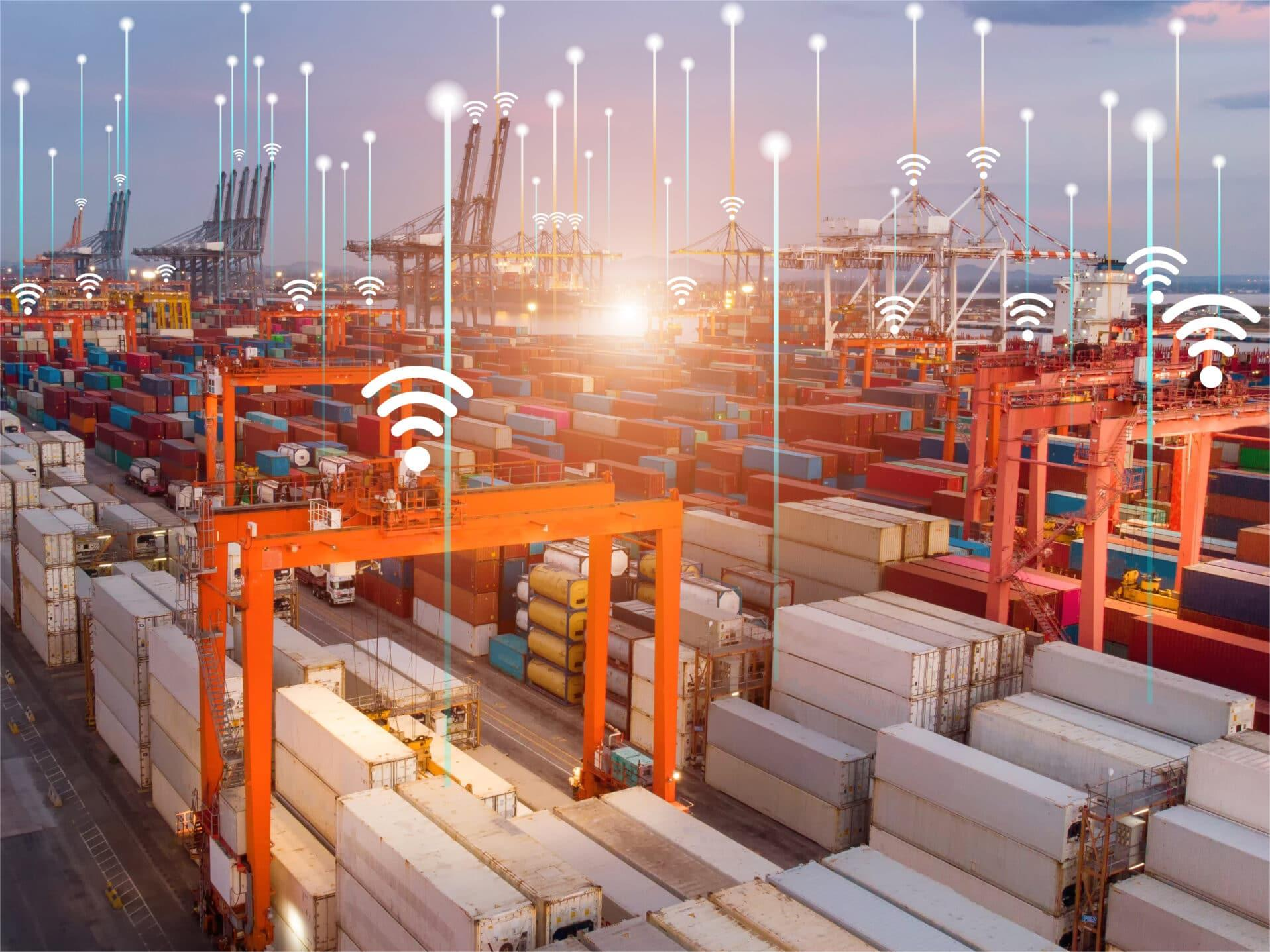
Navigating the complexities of logistics warehouse fulfillment amazon fba china is a critical requirement for any e-commerce brand looking to scale in 2026. Business owners frequently encounter challenges such as rising shipping costs, complex customs regulations, and the need for precision in FBA prep. Best Freight Ltd offers comprehensive solutions that bridge the gap between Chinese manufacturers and global Amazon fulfillment centers. By optimizing your supply chain at the source, you can significantly reduce overhead and improve delivery performance.
What is Logistics Warehouse Fulfillment Amazon FBA China?
Understanding the lifecycle of a product from a Chinese factory to an Amazon warehouse is the first step in optimizing your supply chain. This process involves warehousing, quality inspection, labeling, and international transport through specialized Amazon FBA logistics channels.
Furthermore, the 2026 market demands higher efficiency due to increased competition and tighter delivery windows set by Amazon. Consequently, leveraging a professional warehouse in China allows sellers to consolidate shipments and reduce per-unit shipping expenses significantly.
Moreover, these facilities provide essential value-added services such as kitting, bundling, and specialized packaging that meet strict Amazon requirements. Indeed, failing to comply with these standards often results in costly rejection at the fulfillment center, making source-side prep a vital strategy.
Additionally, a local warehouse acts as a strategic buffer, allowing you to store inventory closer to the manufacturer. Therefore, you can release stock in smaller batches to manage storage fees and maintain healthy inventory turnover ratios.
How Does Logistics Warehouse Fulfillment Amazon FBA China Compare to Other Shipping Options?
Comparing different logistics models is essential to determine which method aligns with your profit margins and inventory turnover rates. Moreover, while direct shipping from a factory might seem simpler, a dedicated fulfillment warehouse provides a necessary buffer for quality control and inventory management.
Specifically, utilizing sea freight remains the most cost-effective solution for high-volume sellers who can afford longer lead times. In contrast, air freight offers unmatched speed for seasonal product launches or urgent restocks, albeit at a much higher price point.
Consequently, many sellers are now exploring hybrid solutions to balance their budget and speed requirements. Meanwhile, the following table provides a clear breakdown of how these primary shipping methods compare in the current 2026 market environment.
| Shipping Method | Cost Range | Transit Time | Best For | Limitations |
|---|---|---|---|---|
| Sea Freight (FCL) | $1,800 – $4,500 | 25 – 40 Days | High volume bulk | Slowest speed |
| Air Freight | $5.00 – $9.00/kg | 5 – 9 Days | High value/Urgent | Expensive |
| Rail Freight | $1,200 – $2,800 | 18 – 25 Days | Europe routes | Limited geography |
| Express Service | $7.00 – $12.00/kg | 3 – 5 Days | Small samples | Highest cost |
The Importance of 3PL and FBA Prep Services in 2026
Utilizing a third-party logistics (3PL) provider in China offers a competitive advantage by centralizing your operations before the international leg of the journey. Furthermore, these providers specialize in air freight and sea freight coordination, ensuring that your cargo moves seamlessly through various transit points.
Initially, the prep service involves checking every item for defects, which prevents negative customer reviews and high return rates. Moreover, the 3PL team applies the necessary FNSKU labels and shipping marks required by Amazon, ensuring your shipment is ready for immediate check-in upon arrival.
Consequently, this proactive approach minimizes the risk of your inventory being sidelined due to non-compliance. Additionally, professional warehouses in China can offer long-term storage solutions at a fraction of the cost of Amazon’s own storage fees, providing a massive boost to your bottom line.
Indeed, as we progress through 2026, the ability to pivot inventory between different global marketplaces from a central Chinese hub has become a hallmark of successful e-commerce brands.
Analyzing 2026 Shipping Costs and Regional Transit Times
According to current market intelligence for early 2026, freight rates have stabilized following the volatility of previous years. However, seasonal peaks still cause fluctuations, with rates typically increasing by 15-25% between August and October.
Specifically, shipping from major hubs like Shenzhen or Ningbo to North America or Europe requires careful planning to secure the best rates. Consequently, understanding the average costs for different container sizes helps in accurate budgeting and price setting for your products.
Meanwhile, the transit times have seen slight improvements due to better port automation and modernized vessel fleets. Nevertheless, you should always factor in a 5-7 day buffer for unforeseen delays in customs or inland transportation.
| Route | 20GP Rate | 40HQ Rate | Transit Time |
|---|---|---|---|
| China to USA West | $1,900 – $2,400 | $3,200 – $3,900 | 14 – 18 Days |
| China to USA East | $2,800 – $3,600 | $4,800 – $6,200 | 28 – 35 Days |
| China to Europe | $2,100 – $2,700 | $3,500 – $4,500 | 30 – 38 Days |
| China to Australia | $900 – $1,300 | $1,500 – $2,200 | 12 – 18 Days |
Case Studies in Logistics Warehouse Fulfillment Amazon FBA China
Real-world examples illustrate how strategic logistics planning can lead to significant cost savings and improved delivery timelines. Specifically, these cases represent typical scenarios handled by professional freight forwarders in the current market.
Furthermore, analyzing these outcomes helps sellers understand the trade-offs between different shipping methods and the importance of professional handling. Consequently, we have selected three diverse cases to showcase the versatility of modern logistics solutions.
Case Study 1: High-Volume Electronics to USA
Box Case Study 1: High-Volume Electronics
Route: Shenzhen, China to Los Angeles, USA
Cargo: Smart Home Devices, 18 CBM, 4500 kg
Container: 20GP
Shipping Details:
– Carrier: Major Ocean Carrier
– Port of Loading: Shenzhen
– Port of Discharge: Los Angeles
– Route Type: Direct
Cost Breakdown:
– Ocean Freight: $2,150
– Origin Charges: $350
– Destination Charges: $450
– Customs and Duties: $1,200
– Total Landed Cost: $4,150
Timeline:
– Booking to Loading: 3 days
– Sea Transit: 16 days
– Customs Clearance: 2 days
– Total Door-to-Door: 21 days
Key Insight: Using a direct route to the West Coast saved the client 12 days compared to an East Coast discharge.
Case Study 2: Furniture Expansion to Europe
Box Case Study 2: Large Scale Furniture
Route: Ningbo, China to Hamburg, Germany
Cargo: Office Chairs, 65 CBM, 8000 kg
Container: 40HQ
Shipping Details:
– Carrier: COSCO
– Port of Loading: Ningbo
– Port of Discharge: Hamburg
– Route Type: Direct via Suez Canal
Cost Breakdown:
– Ocean Freight: $3,900
– Origin Charges: $400
– Destination Charges: $550
– Customs and Duties: $2,100
– Total Landed Cost: $6,950
Timeline:
– Booking to Loading: 5 days
– Sea Transit: 32 days
– Customs Clearance: 3 days
– Total Door-to-Door: 40 days
Key Insight: Consolidating multiple SKUs into a single 40HQ reduced the per-unit shipping cost by 18%.
Case Study 3: Kitchenware to Australia
Box Case Study 3: Small Batch Kitchenware
Route: Shanghai, China to Sydney, Australia
Cargo: Silicone Molds, 4 CBM, 1200 kg
Container: LCL (Less than Container Load)
Shipping Details:
– Carrier: Regional Feeder
– Port of Loading: Shanghai
– Port of Discharge: Sydney
– Route Type: Direct
Cost Breakdown:
– Ocean Freight: $580
– Origin Charges: $200
– Destination Charges: $300
– Customs and Duties: $450
– Total Landed Cost: $1,530
Timeline:
– Booking to Loading: 4 days
– Sea Transit: 14 days
– Customs Clearance: 2 days
– Total Door-to-Door: 20 days
Key Insight: LCL allowed the seller to test the Australian market without committing to a full container.
Strategic Alternatives: Sea-Air Hybrids and Rail Freight
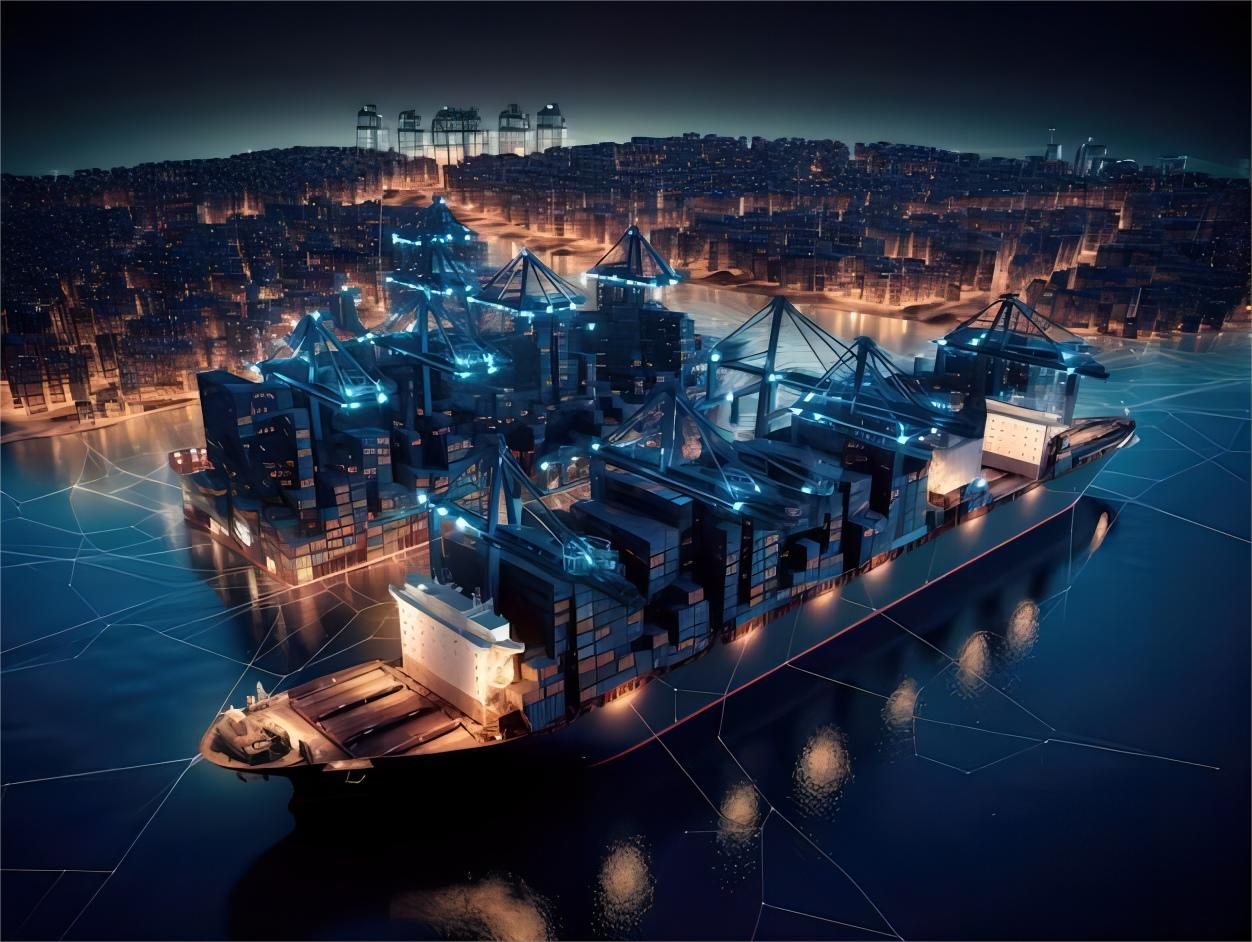
Beyond standard sea and air options, several alternative strategies can provide a competitive edge. For example, sea-air hybrid solutions involve shipping goods by sea to a hub like Dubai or Singapore, then flying them to the final destination.
Moreover, this approach typically cuts transit time in half compared to pure sea freight while remaining 30-50% cheaper than pure air freight. Consequently, it is an excellent choice for mid-value goods that need to arrive faster than a ship but cannot justify the cost of a plane.
Additionally, for shipments destined for Europe, rail freight has emerged as a reliable middle ground. Indeed, the China-Europe Railway Express offers transit times of 18-22 days, making it significantly faster than sea freight without the high volatility of air cargo rates.
However, it is important to note that rail freight is not an option for island nations like Australia. Therefore, sellers must choose a partner like Best Freight Ltd who can provide expert customs brokerage for these complex multimodal routes.
Which Option Should You Choose? A Decision Framework
Choosing the right logistics path requires a balanced evaluation of your business priorities and product characteristics. Initially, you should determine if your primary goal is cost minimization or speed of delivery to the market.
Specifically, if your budget is the priority, sea freight is the logical choice for any shipment over 2 CBM. On the other hand, if you are launching a new product or responding to an unexpected stockout, air freight or express service becomes necessary despite the lower margins.
Furthermore, consider the volume thresholds; once your shipment exceeds 15 CBM, switching from LCL to a 20GP container often yields better security and lower per-cubic-meter rates. Consequently, a door to door service is often the most efficient way to manage these transitions without getting bogged down in logistics details.
Ultimately, the best strategy often involves a mix of methods, using sea freight for your baseline inventory and air freight for tactical top-ups during peak demand periods.
Navigating Customs and Regulatory Compliance
Compliance with international trade regulations is non-negotiable for Amazon FBA sellers. Furthermore, accurately classifying your goods using the correct Harmonized System (HS) codes is essential to avoid overpaying duties or facing legal penalties.
Moreover, the 2026 regulatory landscape has introduced stricter requirements for product safety certifications and environmental packaging standards. Consequently, working with an experienced logistics partner ensures that all your documentation, including the commercial invoice and packing list, is flawless.
Specifically, ensuring that your Bill of Lading matches your Amazon shipping plan is critical for a smooth handover at the fulfillment center. In addition, many sellers benefit from duty drawback programs or tax optimization strategies that a professional forwarder can help implement.
Indeed, managing these administrative burdens effectively allows you to focus on marketing and product development while your logistics chain runs on autopilot.
Mastering Your FBA Logistics Strategy
To summarize, successfully managing logistics warehouse fulfillment amazon fba china requires a combination of strategic planning, local expertise, and reliable transportation partners. By understanding the various shipping methods and leveraging 3PL services in China, you can build a resilient and cost-effective supply chain.
As market conditions continue to evolve in 2026, staying informed about freight rates and transit times will remain a key factor in your e-commerce success. Therefore, prioritize quality prep and efficient shipping to ensure your products reach Amazon customers quickly and in perfect condition.
Ready to streamline your logistics?
Maximize your profit margins in 2026 by optimizing your logistics warehouse fulfillment amazon fba china strategy today. Contact the experts at Best Freight Ltd for a customized quote and seamless shipping experience. Visit https://bestfreightltd.com/ to get started.
Request Quote