


Customs Clearance China 2026 Singapore: 5 Options for A/B Testing: 1. Customs Clearance China 2026 Singapore: The Ultima
Navigating the complexities of customs clearance china 2026 singapore requires a deep understanding of evolving trade regulations and digital transformation. As global supply chains become more integrated, businesses must adapt to new documentation standards and faster processing times. Consequently, staying informed about the latest import requirements is essential for maintaining a competitive edge in the Southeast Asian market. This comprehensive guide explores the essential strategies for streamlining your logistics and ensuring your cargo passes through customs without unnecessary delays.

What to Expect from Customs Clearance China 2026 Singapore?
The landscape of international trade is shifting rapidly as we approach 2026. Specifically, the relationship between China and Singapore continues to strengthen through digital trade agreements and enhanced port cooperation. Moreover, the implementation of AI-driven risk assessment tools by Singapore Customs has significantly accelerated the processing of low-risk shipments.
However, these technological advancements also mean that the accuracy of your data is more critical than ever before. Therefore, any discrepancy in your HS code classification China or valuation can lead to automated flags and manual inspections. Indeed, the move toward a fully paperless system requires all importers to be proficient with the latest digital platforms.
Furthermore, the Singapore TradeNet system has undergone significant updates to integrate with China’s single window platform. As a result, the exchange of trade data is now near-instantaneous, reducing the time cargo spends in holding areas. Nevertheless, businesses must remain vigilant about changing China export regulations that might impact specific product categories.
Additionally, environmental regulations are playing a larger role in customs clearance china 2026 singapore. For instance, the Singapore Green Plan 2030 influences how carbon-intensive goods are taxed and processed at the border. Consequently, importers should prepare for more rigorous reporting on the environmental impact of their supply chains.
Essential Documentation for Customs Clearance China 2026 Singapore
Securing the right paperwork is the foundation of any successful import operation. Without a doubt, the most important document remains the Commercial Invoice, which must clearly state the transaction value and item descriptions. In addition, the Packing List provides the necessary details for cargo handling Singapore authorities to verify the physical contents of your shipment.
Meanwhile, the Bill of Lading serves as the contract of carriage and a document of title. If you are using a professional customs brokerage, they will ensure that all these documents are uploaded to the TradeNet system correctly. Moreover, certain goods may require specific import permits or certificates of origin to qualify for preferential tariff rates under the China-Singapore Free Trade Agreement.
Furthermore, the HS code classification China must be precise to avoid overpaying or underpaying duties. For example, a minor error in a digit can change the tax bracket of your goods entirely. Therefore, conducting a thorough audit of your product catalog before shipping is a highly recommended strategy for 2026.
| Commercial Invoice | Detailed value and description of goods | Singapore Customs | Digital/PDF |
| Packing List | Breakdown of weight, dimensions, and items | Port Authorities | Digital/PDF |
| Bill of Lading | Legal transport document and title | Carrier/Customs | Electronic/Paper |
| Import Permit | Official approval via TradeNet | Singapore Customs | Digital |
How Does Sea Freight Compare to Other Shipping Options?
When planning your logistics, choosing the right transport mode is a balancing act between cost and speed. For most large-scale importers, sea freight remains the most economical choice for moving heavy or bulky items. However, the transit time is significantly longer than other methods, typically taking between 10 to 14 days from major Chinese ports like Shanghai or Shenzhen.
In contrast, air freight offers unparalleled speed for high-value or time-sensitive cargo. While the costs are higher, the reduced transit time can be a major advantage for electronics or perishable goods. Consequently, many businesses use a hybrid approach, shipping the bulk of their inventory by sea and using air for urgent restocks.
Additionally, for smaller parcels or samples, an express service provides a door-to-door solution with built-in customs clearance. This option is particularly popular for e-commerce logistics China Singapore where speed is a key customer expectation. Therefore, evaluating your specific cargo needs against these options is vital for cost-efficiency.
| Sea Freight FCL | $1,500 – $2,500 | 10-14 Days | Bulk Shipments |
| Sea Freight LCL | $50 – $120 / CBM | 12-16 Days | Smaller Loads |
| Air Freight | $3.50 – $6.00 / kg | 3-5 Days | Urgent Cargo |
| Express Service | $7.00 – $12.00 / kg | 1-3 Days | Samples/Docs |
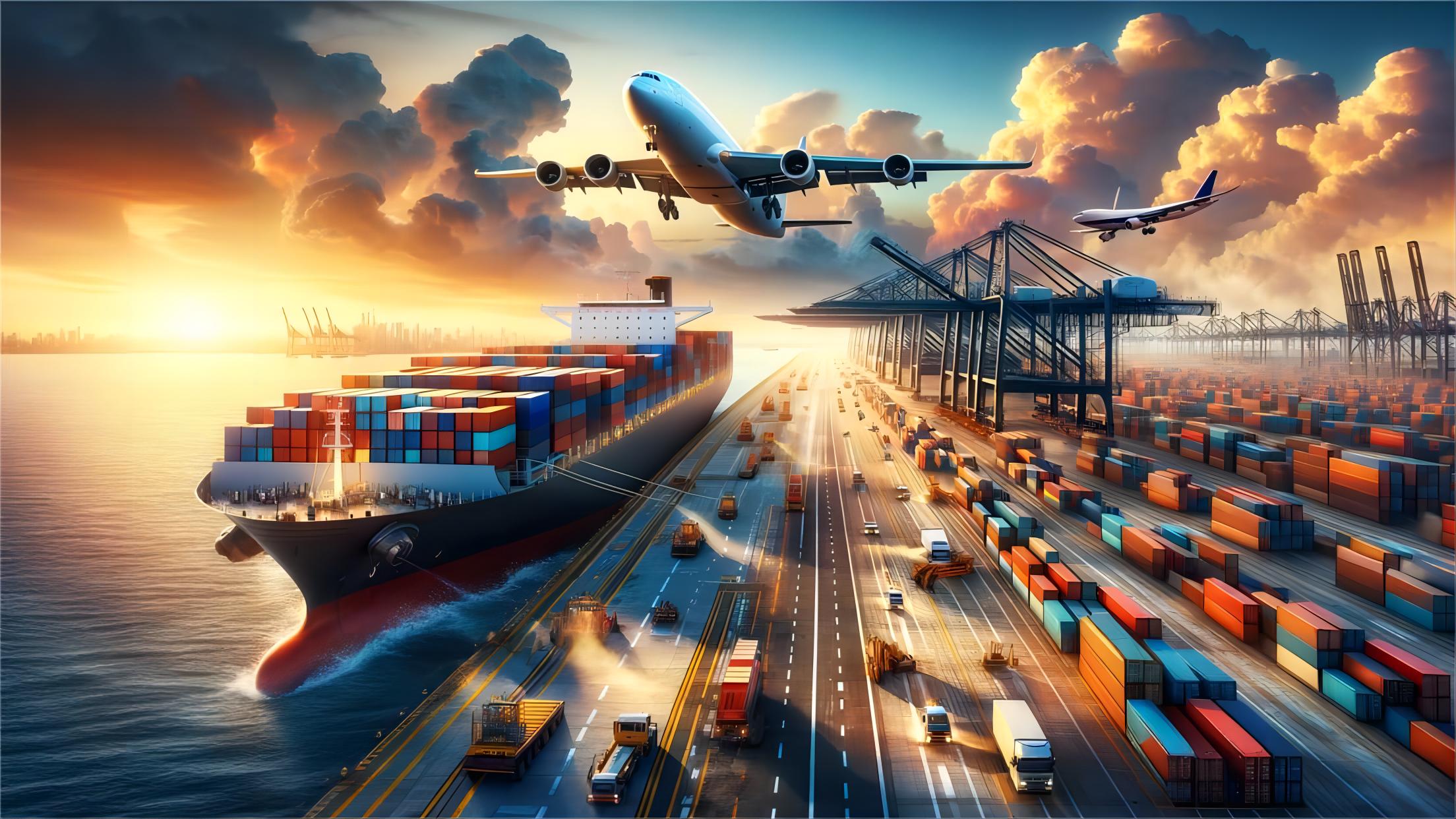
Which Option Should You Choose for Your Cargo?
Determining the best shipping strategy involves looking at your budget and delivery schedule. If your priority is keeping costs low, sea freight is the clear winner for shipments over 100 kg. On the other hand, if you are dealing with a tight deadline, the premium price of air freight is often justified to avoid stockouts.
Furthermore, consider the nature of your goods when selecting a method. Fragile or high-value items often benefit from the reduced handling involved in air or express transport. Meanwhile, durable goods like furniture or machinery are perfectly suited for the longer journey of a container ship.
Moreover, you should factor in the total landed cost, which includes import duties Singapore 2026 and GST Singapore shipping. Sometimes, a faster shipping method can actually reduce your overall costs by lowering inventory holding requirements. Consequently, a holistic view of your supply chain is necessary to make the most informed decision.
Managing Import Duties and GST in 2026
Singapore’s tax landscape continues to evolve, with the Goods and Services Tax (GST) being a primary consideration for all importers. In 2026, the GST rate remains a significant factor in calculating the total cost of your shipment. Furthermore, you must ensure that your valuation of goods is consistent with the World Trade Organization (WTO) valuation principles to avoid penalties.
Additionally, many goods from China benefit from the China-Singapore Free Trade Agreement (CSFTA), which can reduce or eliminate certain import duties. However, to claim these benefits, you must provide a valid Certificate of Origin. Therefore, working with a knowledgeable partner can help you navigate these financial complexities and maximize your savings.
Meanwhile, be aware of the De Minimis value for low-value goods. If your shipment falls below a certain threshold, it may be exempt from GST, which is a major benefit for small e-commerce businesses. Nevertheless, the rules regarding GST on low-value goods imported via air or post have become stricter, so careful compliance is mandatory.
Real-World Case Studies for China to Singapore Logistics
Case Study 1: Electronics from Shenzhen to Singapore via Air Freight Route: Shenzhen, China -> Singapore Cargo: Smartphone components, 4.5 CBM, 1100 kg Container: LCL (Air Pallets) Shipping Details: – Carrier: Major Air Carrier – Port of Loading: Shenzhen (SZX) – Port of Discharge: Changi (SIN) – Route Type: Direct Cost Breakdown: – Air Freight: $3,850 – Origin Charges: $220 – Destination Charges: $180 – Customs & Duties: $450 – Total Landed Cost: $4,700 Timeline: – Booking to Loading: 2 days – Air Transit: 1 day – Customs Clearance: 1 day – Total Door-to-Door: 4 days Key Insight: Pre-clearance via the TradeNet system saved 24 hours.
Case Study 2: Industrial Machinery from Shanghai via Sea Freight Route: Shanghai, China -> Singapore Cargo: Industrial Machinery, 28 CBM, 15000 kg Container: 20GP Shipping Details: – Carrier: COSCO – Port of Loading: Shanghai – Port of Discharge: Singapore Port – Route Type: Direct Cost Breakdown: – Ocean Freight: $1,200 – Origin Charges: $350 – Destination Charges: $300 – Customs & Duties: $1,100 – Total Landed Cost: $2,950 Timeline: – Booking to Loading: 5 days – Sea Transit: 10 days – Customs Clearance: 2 days – Total Door-to-Door: 17 days Key Insight: Accurate HS code classification avoided heavy penalties.
For many clients, a door to door service is the most convenient way to handle these scenarios. This approach simplifies the entire process by combining freight, customs clearance, and local delivery into a single package. Consequently, business owners can focus on their core operations while the logistics experts handle the heavy lifting.

Avoiding Common Delays in the Clearance Process
Delays at customs can be costly and frustrating for any business. One of the most common causes of holdups is incomplete or inaccurate documentation. Therefore, double-checking every entry on your commercial invoice is a simple but effective way to prevent issues. Moreover, ensuring that your descriptions are clear and match the HS codes will help the automated systems process your cargo faster.
In addition, port congestion can occasionally impact your delivery schedule, especially during peak seasons like the weeks leading up to Chinese New Year. Consequently, planning your shipments well in advance and building a buffer into your timeline is a wise strategy. Furthermore, using a freight forwarder with strong local relationships in both China and Singapore can help you navigate any unexpected bottlenecks.
Another potential issue is the failure to pay duties and taxes on time. Since Singapore Customs requires payment before goods are released, having a pre-funded GIRO account or using a broker with a standing bank guarantee can expedite the process. Indeed, being proactive about your financial obligations is just as important as the physical movement of the goods.
The Role of Digitalization in 2026 Trade
By 2026, digitalization is no longer an option; it is a necessity for international trade. The use of blockchain technology for secure document exchange is becoming more widespread, providing a tamper-proof trail of your shipment’s history. Furthermore, real-time tracking has become standard, allowing you to monitor your customs clearance china 2026 singapore status from your smartphone.
Additionally, the integration of big data analytics allows customs authorities to better predict and manage risks. As a result, compliant and consistent importers often see their goods cleared faster than ever before. However, this means that any history of non-compliance can have long-lasting effects on your shipping efficiency. Therefore, maintaining a high standard of trade integrity is essential.
Moreover, the rise of smart containers equipped with IoT sensors provides additional data to customs officials about the condition and security of the cargo. This level of transparency helps to build trust between all parties in the supply chain. Consequently, businesses that embrace these technologies will find it much easier to manage their logistics trends 2026 requirements.
Final Thoughts on 2026 Logistics
To summarize, mastering customs clearance china 2026 singapore is vital for any business looking to thrive in the regional trade landscape. By understanding the nuances of documentation, choosing the right shipping method, and leveraging professional expertise, you can ensure your cargo arrives safely and on time.
Furthermore, the integration of technology and the focus on environmental sustainability are reshaping how we think about the movement of goods. Businesses that adapt to these changes will be well-positioned for success in the coming years. Ultimately, staying proactive and informed will be your greatest asset in the dynamic world of international logistics.

Ready to streamline your logistics?
Are you ready to optimize your supply chain for 2026? Managing customs clearance china 2026 singapore doesn’t have to be a headache. Contact Best Freight Ltd today to receive a personalized quote and expert advice on your next shipment. Send Inquiry: Visit https://bestfreightltd.com/ to get started.
Request Quote