

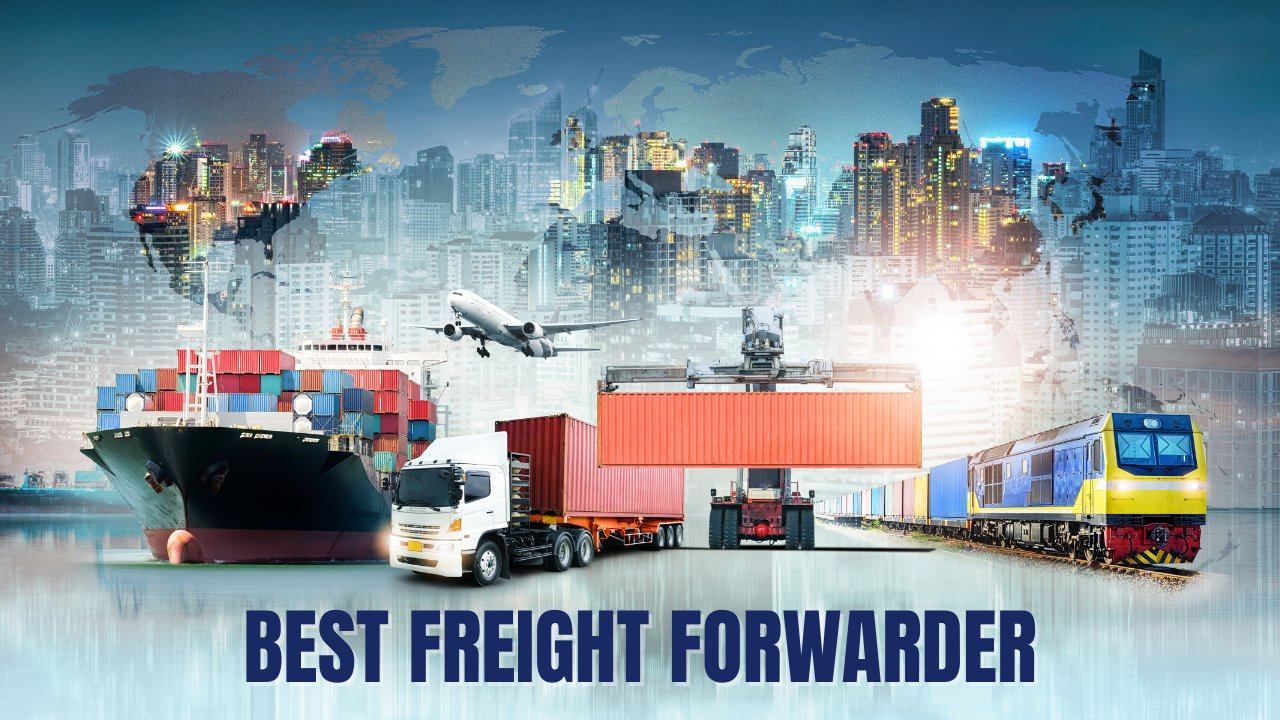
China to UK Logistics Warehouse Fulfillment: A 2026 Guide
Navigating the complexities of China to UK logistics warehouse fulfillment requires precision and a reliable partner. At Best Freight Ltd, we provide end-to-end solutions that streamline your imports, ensuring your inventory reaches its destination efficiently. Visit https://bestfreightltd.com/ to explore how our tailored logistics strategies can help your business thrive in the competitive UK market.
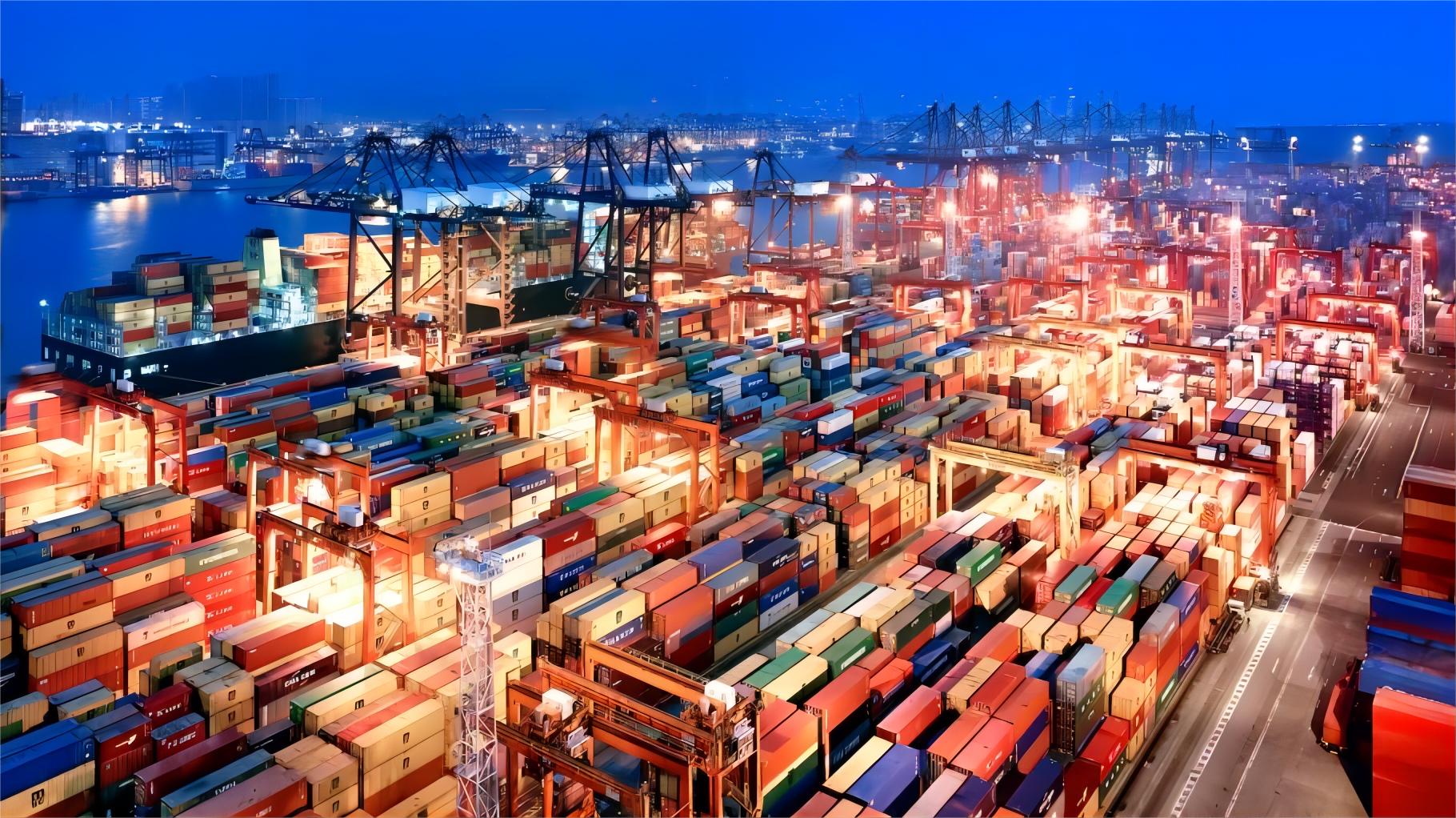
Understanding China to UK Logistics Warehouse Fulfillment Options
Global supply chains rely heavily on the efficiency of moving goods from manufacturing hubs in China to distribution centers in the UK. Many businesses struggle with selecting the right transport mode, which often dictates overall profitability and customer satisfaction.
Choosing between sea freight and other methods depends on your specific volume and urgency. Furthermore, understanding the nuances of customs and local transport is essential for seamless delivery schedules.
How to Optimize Your Supply Chain from China to the UK
Effective supply chain management starts with choosing the right door to door service. By centralizing your logistics, you reduce the risk of delays and minimize handling errors at various transshipment points.
Additionally, many companies now utilize Amazon FBA services to automate their fulfillment processes. This strategy ensures that your products are ready for immediate dispatch once they clear UK customs.
How Does Sea Freight Compare to Other Shipping Options?
Selecting the optimal shipping method requires balancing speed against cost. While ocean transport is the most economical for bulk goods, air or rail alternatives provide the speed necessary for high-demand inventory.
For instance, air freight is significantly faster but comes at a premium price. Conversely, rail freight offers a middle ground, providing a faster transit time than sea while remaining more cost-effective than air cargo.
| Method | Cost Range | Transit Time | Best For |
|---|---|---|---|
| Sea Freight | Low | 30-38 days | Bulk Inventory |
| Rail Freight | Medium | 18-22 days | Time-Sensitive Bulk |
| Air Freight | High | 5-7 days | Urgent/Small Goods |

Key Factors Influencing Freight Rates in 2026
Logistics trends in 2026 show that freight rates remain sensitive to fuel surcharges and seasonal demand. Consequently, shippers must monitor market fluctuations to secure the best pricing for their cargo.
Furthermore, port congestion and labor availability can impact your delivery schedule. Working with an experienced broker ensures your cargo handling is managed professionally, mitigating potential risks.
Final Thoughts on China to UK Logistics
Securing success in your international trade efforts requires careful planning and a robust logistics strategy. By leveraging the right transport modes and warehousing solutions, you can effectively manage China to UK logistics warehouse fulfillment while keeping costs under control.
Indeed, partnering with industry experts allows you to focus on growing your business while your supply chain remains in capable hands.
Need a tailored shipping solution?
Are you ready to streamline your China to UK logistics warehouse fulfillment? Contact our expert team today to receive a competitive quote and optimize your supply chain. Send your inquiry to Best Freight Ltd now to get started.
Frequently Asked Questions
What is the typical transit time from China to the UK?
How can I reduce my shipping costs?
Does my cargo require special customs documentation?
What is the difference between FCL and LCL?
Can I track my shipment throughout the journey?
How do peak seasons affect shipping?