

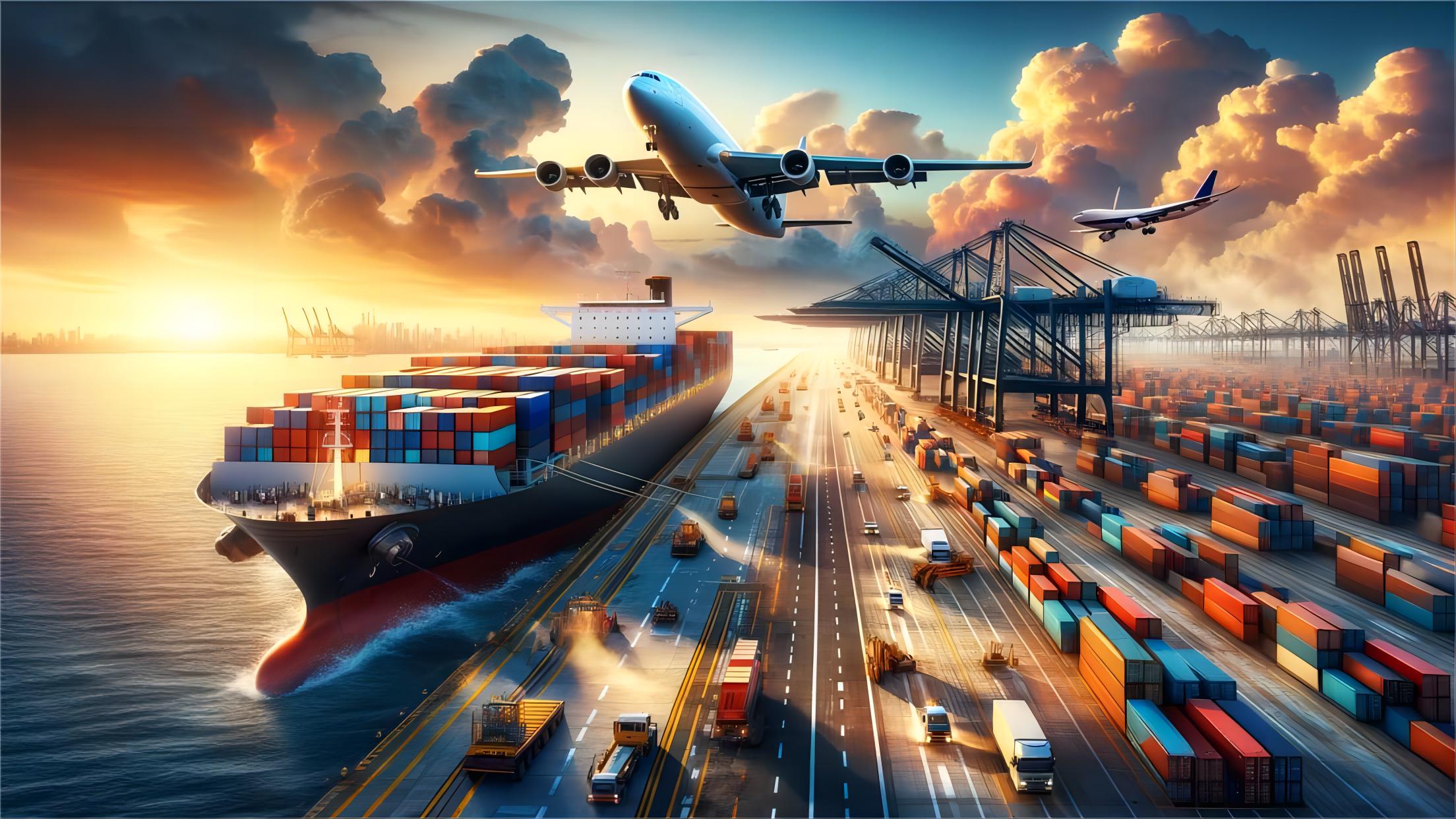
China to Canada Shipping Rates LCL FCL: 2026 Logistics Guide
Understanding China to Canada shipping rates LCL FCL is essential for optimizing your supply chain in 2026. Whether you are a startup or an established enterprise, our team at Best Freight Ltd provides comprehensive solutions for efficient international trade. Visit https://bestfreightltd.com/ to explore how our logistics expertise can help streamline your operations and reduce your landed costs.
Understanding LCL vs FCL Freight Options
Choosing between Less than Container Load (LCL) and Full Container Load (FCL) significantly impacts your bottom line. LCL shipping allows you to share container space, making it cost-effective for smaller volumes. Conversely, FCL is ideal for larger shipments that require dedicated space, offering better security and faster handling.
When planning your logistics, consider your specific cargo volume and budget constraints. For businesses managing smaller, frequent imports, LCL is often the preferred choice. Meanwhile, high-volume shippers generally benefit from the economies of scale provided by FCL shipments.
If you are unsure which method suits your needs, our sea freight services are designed to offer flexibility. We help you calculate the most cost-effective approach based on your unique cargo requirements.
| Method | Best For | Cost Structure | Transit Time |
|---|---|---|---|
| LCL | Small shipments | Per CBM | Slower |
| FCL | Large volumes | Per Container | Faster |
| Air | Urgent goods | Per Kilogram | Fastest |
Factors Influencing China to Canada Shipping Rates
Several variables dictate the final price of your freight. Fuel surcharges, seasonal demand, and carrier capacity are primary drivers of market volatility. Furthermore, the distance between specific ports in China and major Canadian hubs like Vancouver or Toronto plays a significant role in total transit time.
Additionally, regulatory compliance is a major factor. Navigating customs brokerage requirements effectively prevents costly delays at the border. You must ensure all documentation is accurate to avoid unexpected fees.
For urgent inventory needs, our express service provides a reliable alternative to traditional sea freight. We prioritize speed and efficiency to keep your supply chain moving.
How Does Sea Freight Compare to Other Shipping Options?
Comparing sea freight with other modes is vital for strategic logistics planning. While sea freight remains the most economical for bulk goods, air and rail options offer distinct advantages for specific cargo types.
For instance, if your goods require rapid delivery to North America, air freight is the standard choice. However, it comes at a significantly higher price point compared to ocean alternatives.
If your destination is inland, you might consider our specialized door to door logistics, which integrates various transport methods seamlessly. This approach minimizes handling and reduces the risk of damage during transit.
| Mode | Cost Range | Transit Time | Reliability |
|---|---|---|---|
| Sea | Low | 20-40 Days | High |
| Air | High | 3-7 Days | Very High |
| Rail | Medium | 15-25 Days | Medium |

Real Case Studies for China to Canada Shipments
Case Study 1: An electronics distributor shipped 15 CBM of goods via LCL from Shenzhen to Vancouver. By choosing our optimized sea freight route, they saved 20% on total logistics costs compared to air shipping. The total transit time was 28 days.
Case Study 2: A furniture retailer moved 5 x 40HQ containers from Ningbo to Toronto. Utilizing our FCL services, they achieved cost stability despite peak season fluctuations. The total door-to-door transit time was 42 days, ensuring stock readiness for the holiday season.
Summary of China to Canada Shipping Rates LCL FCL
Navigating the complexities of international logistics requires a clear understanding of your shipping options. By evaluating LCL vs FCL, considering current market trends, and partnering with experienced professionals, you can effectively manage your China to Canada shipping rates.
Always prioritize reliability and transparency when selecting a logistics partner. We are committed to supporting your growth through efficient, scalable, and cost-effective shipping solutions throughout 2026.
Need a tailored shipping solution?
Ready to optimize your logistics? Contact our team today to get a competitive quote for your next shipment. Visit https://bestfreightltd.com/ to request your custom freight plan and start saving on your imports from China.
Frequently Asked Questions
What is the primary difference between LCL and FCL?
LCL stands for Less than Container Load, meaning you share space with other shippers. FCL stands for Full Container Load, where you rent the entire container for your exclusive use. LCL is usually cheaper for smaller shipments, while FCL is more cost-effective for large volumes.
How long does shipping from China to Canada take?
Sea freight typically takes between 20 and 40 days depending on the port of origin and destination. West Coast ports like Vancouver are faster, while East Coast destinations like Toronto or Montreal involve longer maritime transit times and inland rail transport.
Are shipping rates currently stable in 2026?
Rates remain subject to market fluctuations based on fuel costs, global demand, and carrier capacity. While volatility has decreased compared to previous years, it is best to request a live quote to get the most accurate pricing for your specific cargo.
What documents are required for imports to Canada?
Key documents include the commercial invoice, packing list, bill of lading, and the Canada Customs Invoice. Depending on the product, you may also need certificates of origin, safety data sheets, or import permits to ensure smooth customs clearance.
Can I ship goods directly to my warehouse in Canada?
Yes, door-to-door shipping services are available to manage the entire process from your supplier in China to your final facility in Canada. This includes origin pickup, ocean transit, customs clearance, and final mile delivery.
Does volume affect my choice of shipping method?
Volume is the most critical factor. For shipments under 15 CBM, LCL is generally the most economical choice. Once you exceed 15-20 CBM, switching to an FCL 20ft container often becomes more cost-effective and provides better protection for your goods.