

China to Australia Shipping Global: Your Ultimate 2025 Logistics Guide
Navigating the complexities of china to australia shipping global requires a reliable logistics partner to manage your supply chain efficiently. Many businesses struggle with fluctuating freight rates and complex customs regulations when importing goods to the Australian market. Consequently, choosing a professional freight forwarder like Best Freight Ltd ensures your cargo arrives safely and on schedule. This guide provides a comprehensive overview of shipping methods, costs, and strategic advice to optimize your international trade operations.
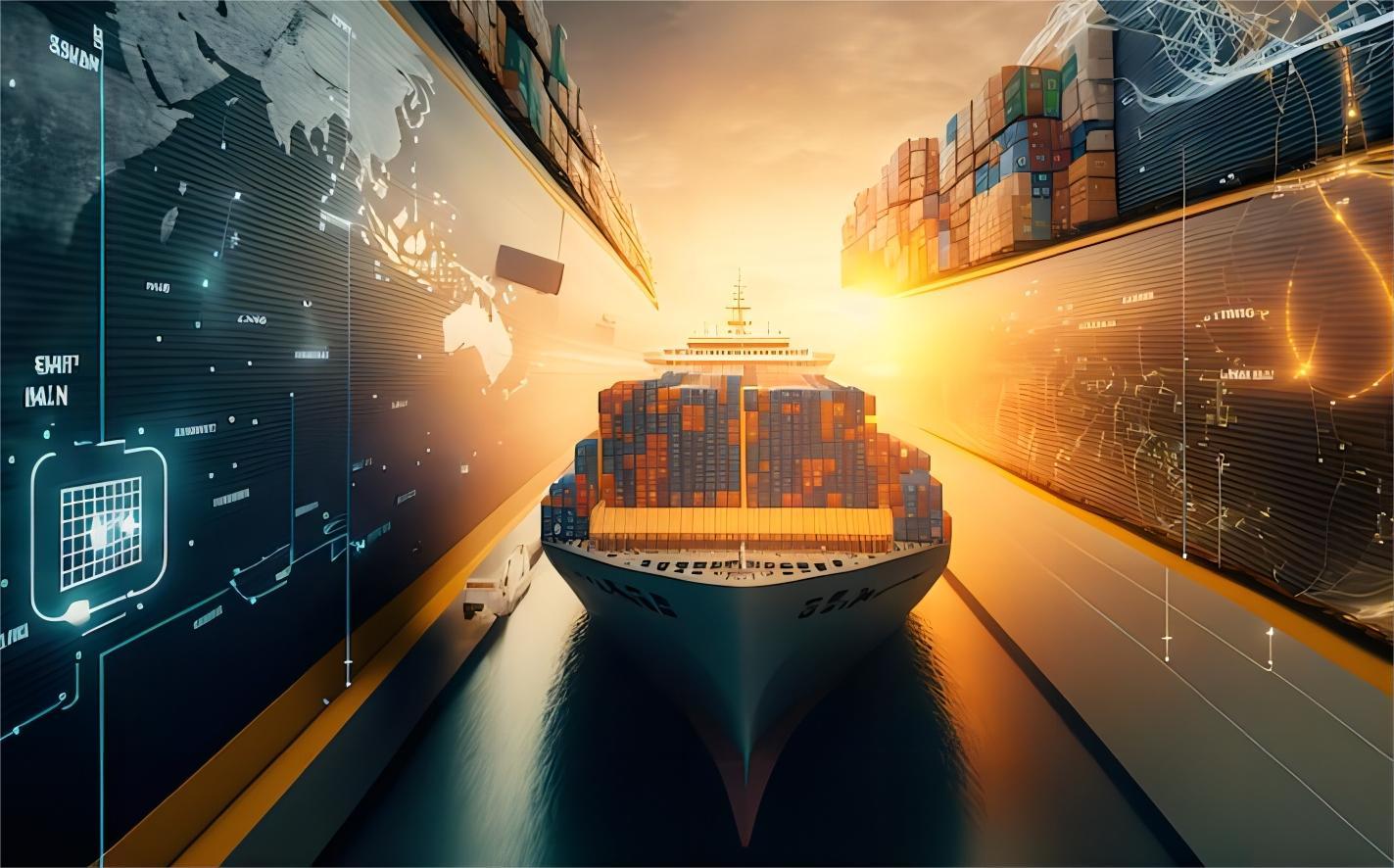
What Are the Main Methods for China to Australia Shipping Global?
Selecting the appropriate transport mode is the first critical step in your logistics planning. Most importers choose between sea freight and air freight based on their specific budget and timeline requirements. Moreover, the nature of your cargo often dictates which method is most viable for your business model.
Consider sea freight for large, heavy shipments that are not time-sensitive. This method remains the most cost-effective solution for bulk commodities and high-volume retail goods. Additionally, ocean transport offers various container options, including Full Container Load (FCL) and Less than Container Load (LCL).
Alternatively, air freight is the preferred choice for high-value or perishable items that need to reach Australia quickly. While the cost per kilogram is significantly higher than sea freight, the reduced transit time can be a decisive factor for urgent deliveries. Furthermore, air transport provides enhanced security and lower insurance premiums for sensitive cargo.
FCL vs LCL: Which Sea Freight Option is Best?
Full Container Load (FCL) involves renting an entire 20ft or 40ft container for your exclusive use. This option is generally faster and safer because the container remains sealed from the point of origin to the destination. Consequently, FCL is ideal for large shipments exceeding 15 cubic meters.
On the other hand, Less than Container Load (LCL) allows you to share container space with other shippers. This is a budget-friendly alternative for smaller volumes, though it may involve longer transit times due to the consolidation process. Therefore, businesses with smaller inventories often prefer LCL to minimize upfront shipping costs.
How Does Sea Freight Compare to Other Shipping Options?
Evaluating different shipping methods requires a balanced analysis of cost, speed, and reliability. While sea freight is the backbone of global trade, comparing it to air and express services reveals significant trade-offs. For instance, the price difference between a 20GP container and a large air shipment can be thousands of dollars.
Indeed, sea freight offers the lowest cost per unit for long-distance routes. However, the transit time can extend to several weeks, which might not suit fast-moving consumer goods. In contrast, express services provide door-to-door delivery within days but at a much higher price point.
Furthermore, it is important to note that rail freight is not a viable option for this specific route. Since Australia is an island nation, all goods must arrive via sea or air. Consequently, your strategy should focus on optimizing these two primary modes of transport.
| Shipping Method | Cost Range | Transit Time | Best For |
|---|---|---|---|
| Sea Freight (FCL) | $800 – $2,000 | 12 – 25 Days | Bulk goods and large volumes |
| Sea Freight (LCL) | $50 – $150 per CBM | 18 – 30 Days | Small to medium shipments |
| Air Freight | $3 – $8 per kg | 3 – 7 Days | High-value or urgent cargo |
| Express Service | $6 – $12 per kg | 2 – 5 Days | Samples and small parcels |
Understanding Transit Times for China to Australia Shipping Global
Transit times for shipping from China to Australia vary depending on the departure port and the destination city. For example, shipping from Shenzhen to Brisbane is typically faster than shipping from Ningbo to Perth. Additionally, seasonal weather patterns and port congestion can influence the overall delivery schedule.
Most direct sea routes from major Chinese ports to Australia’s East Coast take approximately 12 to 18 days. Meanwhile, shipments to Western Australia or those involving transshipment through Singapore may take up to 25 days. Therefore, planning your inventory cycles around these timelines is essential for maintaining a steady supply chain.
Air freight transit times are much more consistent, usually ranging from 3 to 7 days including customs clearance. However, peak seasons like the Chinese New Year or the Q4 holiday rush can lead to capacity shortages and delays. Consequently, booking your space at least two weeks in advance during these periods is highly recommended.
| Origin Port | Destination Port | Sea Transit (Days) | Air Transit (Days) |
|---|---|---|---|
| Shenzhen | Sydney | 12 – 15 | 3 – 5 |
| Shanghai | Melbourne | 14 – 18 | 4 – 6 |
| Ningbo | Brisbane | 15 – 20 | 4 – 6 |
| Qingdao | Fremantle | 20 – 25 | 5 – 7 |
How Much Does China to Australia Shipping Global Cost?
Freight costs are influenced by several factors, including fuel surcharges, container availability, and seasonal demand. For sea freight, rates are usually quoted per container (FCL) or per cubic meter (LCL). In contrast, air freight pricing is based on the chargeable weight of the shipment, which considers both actual weight and volume.
As of early 2025, sea freight rates have remained relatively stable compared to the volatility seen in previous years. However, you should always account for additional charges such as terminal handling fees, documentation costs, and delivery fees. Furthermore, fluctuations in the exchange rate between the USD and AUD can impact your final landed cost.
Typical ocean freight rates for a 20GP container currently range from $800 to $1,200, while a 40HQ container might cost between $1,400 and $2,000. For air freight, expect to pay between $3 and $6 per kilogram for standard shipments. Note: Freight rates are subject to change based on fuel costs, carrier capacity, and seasonal demand. Contact us for a current quote tailored to your specific shipment.
What Documents are Required for Customs Brokerage?
Navigating the Australian Border Force requirements is a vital part of the shipping process. Accurate documentation is necessary to avoid delays, fines, or the seizure of goods at the port of entry. Consequently, many importers rely on a professional customs brokerage service to handle the paperwork.
The most important documents include the commercial invoice, packing list, and bill of lading or airway bill. Additionally, specific products may require permits, certificates of origin, or quarantine declarations. For instance, wooden packaging must comply with ISPM 15 standards to prevent the introduction of pests into Australia.
Moreover, the China-Australia Free Trade Agreement (ChAFTA) allows for reduced or zero tariffs on many goods. To benefit from these concessions, you must provide a valid Certificate of Origin. Therefore, verifying the eligibility of your products under ChAFTA before shipping can lead to significant cost savings.
| Document Name | Purpose | Required For | Source |
|---|---|---|---|
| Commercial Invoice | Value declaration | All shipments | Supplier |
| Packing List | Content details | All shipments | Supplier |
| Bill of Lading | Title of goods | Sea freight | Carrier |
| Certificate of Origin | Tariff reduction | ChAFTA claims | Chamber of Commerce |
Case Studies: Real-World Shipping Scenarios
Examining real-world examples helps illustrate the practical challenges and costs associated with international logistics. These cases reflect typical shipments handled during the 2024-2025 period. By understanding these scenarios, you can better estimate the requirements for your own cargo.
Case Study 1: Shanghai to Sydney Electronics Shipment. Route: Shanghai, China to Sydney, Australia. Cargo: Consumer Electronics, 28 CBM, 4500 kg. Container: 20GP. Shipping Details: Carrier: Major carrier, Port of Loading: Shanghai, Port of Discharge: Sydney, Route Type: Direct. Cost Breakdown: Ocean Freight: $1,100, Origin Charges: $350, Destination Charges: $450, Customs and Duties: $1,200, Total Landed Cost: $3,100. Timeline: Booking to Loading: 4 days, Sea Transit: 14 days, Customs Clearance: 2 days, Total Door-to-Door: 20 days. Key Insight: Direct routing saved 5 days compared to transshipment options.
Case Study 2: Shenzhen to Melbourne Furniture LCL. Route: Shenzhen, China to Melbourne, Australia. Cargo: Flat-pack Furniture, 8 CBM, 1200 kg. Container: LCL 8 CBM. Shipping Details: Carrier: Major consolidator, Port of Loading: Shenzhen, Port of Discharge: Melbourne, Route Type: Transshipment via Singapore. Cost Breakdown: Ocean Freight: $640, Origin Charges: $200, Destination Charges: $380, Customs and Duties: $450, Total Landed Cost: $1,670. Timeline: Booking to Loading: 6 days, Sea Transit: 22 days, Customs Clearance: 3 days, Total Door-to-Door: 31 days. Key Insight: LCL was the most economical choice for this volume despite the longer transit time.
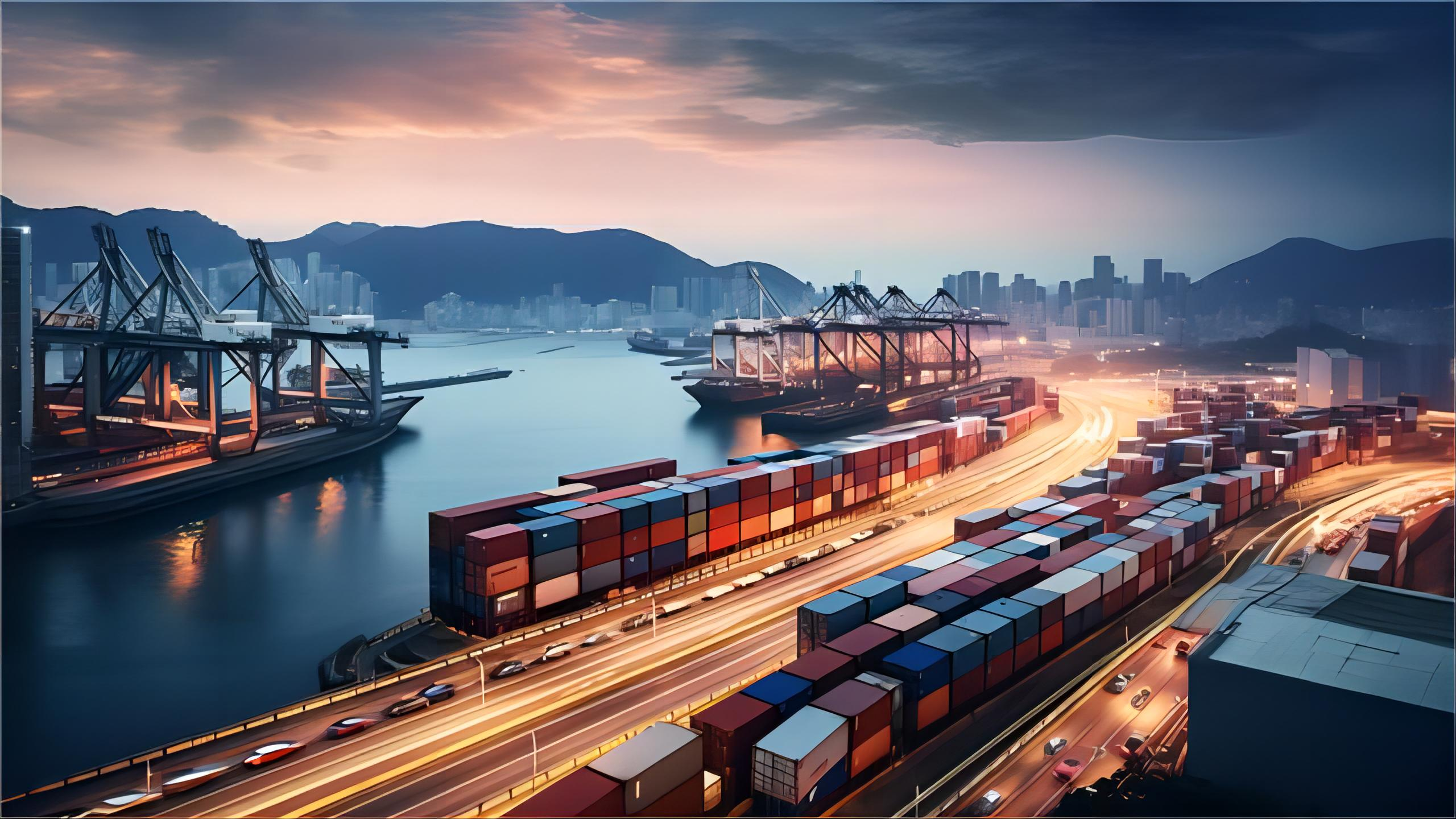
Why Choose Door to Door Shipping Services?
Managing multiple logistics providers can be a daunting task for many business owners. Consequently, door to door services have become increasingly popular for their simplicity and efficiency. This all-inclusive solution covers every step of the journey from the supplier’s warehouse in China to your final destination in Australia.
By choosing a door-to-door model, you eliminate the need to coordinate between local truckers, customs brokers, and international carriers. Furthermore, this approach provides better visibility and tracking for your shipment. As a result, you can focus on your core business activities while your logistics partner handles the operational details.
In addition, door-to-door services often include final mile delivery, which is a critical component of the Australian logistics landscape. Whether you are shipping to a retail store in Sydney or a warehouse in Adelaide, a seamless delivery process is essential. Therefore, investing in an integrated solution often proves more cost-effective in the long run.
Which Option Should You Choose for Your Business?
Deciding on the best shipping strategy depends on your specific priorities and cargo characteristics. If budget is your primary concern and you have a flexible timeline, sea freight is the clear winner. However, if you are launching a new product or replenishing urgent stock, air freight provides the necessary speed.
For shipments under 1 cubic meter, express couriers are usually the most efficient choice. Meanwhile, for volumes between 1 and 15 cubic meters, LCL sea freight offers a balanced compromise between cost and speed. Once your volume exceeds 15 cubic meters, switching to a 20ft FCL container often results in lower unit costs and better security.
Finally, always consider the total landed cost rather than just the freight rate. Taxes, duties, and local delivery charges can significantly impact your profit margins. Consequently, consulting with a logistics expert before making a final decision is highly recommended.
Final Thoughts on International Logistics
Successfully managing china to australia shipping global requires a strategic approach to method selection, documentation, and partner choice. By understanding the differences between air and sea freight, you can make informed decisions that benefit your bottom line. Moreover, staying updated on customs regulations and market trends ensures your supply chain remains resilient.
In conclusion, whether you are a first-time importer or an established business, the right logistics support is invaluable. Prioritize transparency, reliability, and cost-effectiveness to achieve long-term success in the Australian market. Contact a professional freight forwarder today to optimize your shipping routes and reduce your international transport costs.
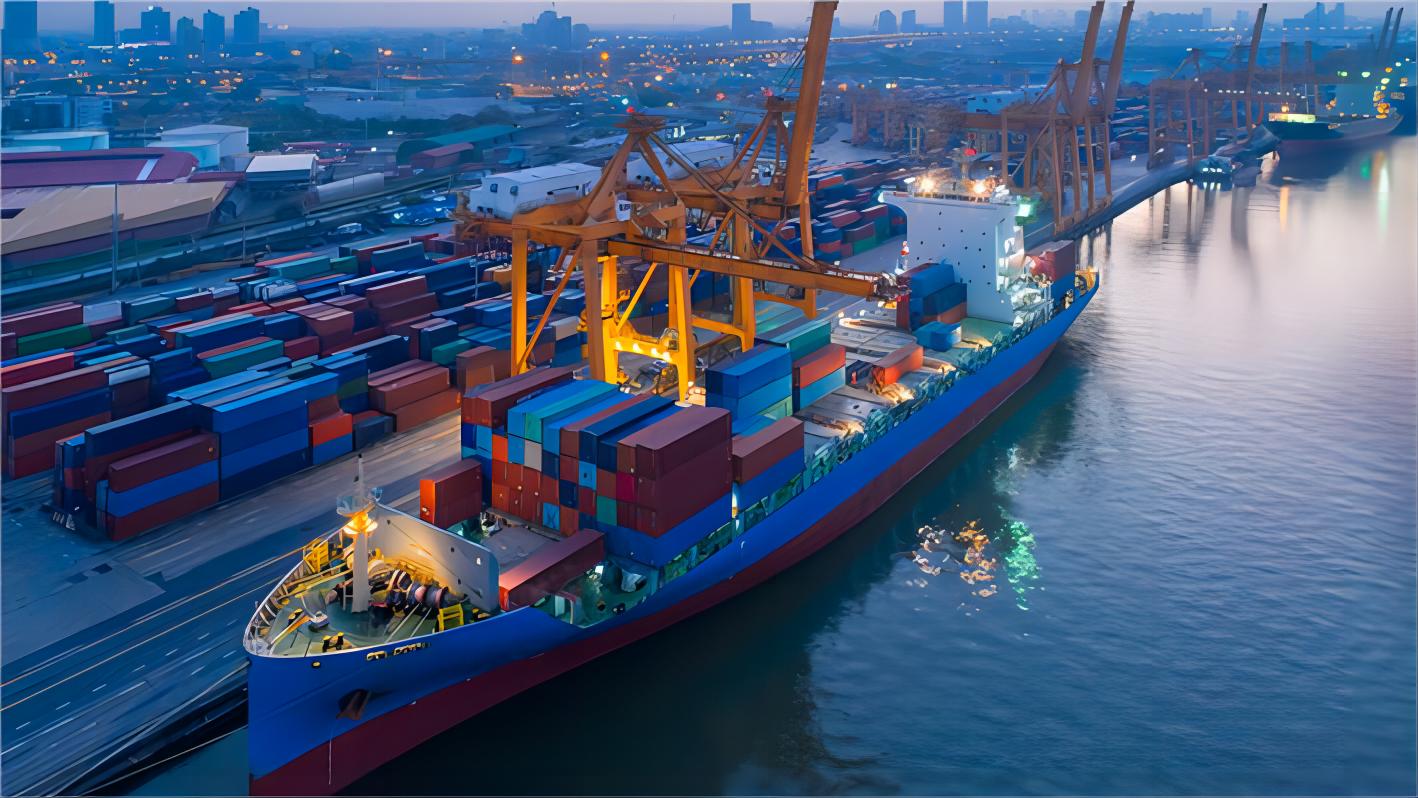
Ready to streamline your logistics?
Ready to streamline your china to australia shipping global operations? Contact Best Freight Ltd today for a customized quote and expert guidance on your next shipment. Visit our website to learn more and start your inquiry today. Send Inquiry: https://bestfreightltd.com/
Request Quote