

Cheap Shipping From China Supplier Logistics: The 2025 Guide
Finding cheap shipping from china supplier logistics is the primary goal for many importers looking to maximize profit margins in a competitive global market. Best Freight Ltd provides comprehensive solutions to streamline your supply chain and reduce overhead costs significantly. Consequently, understanding the nuances of international transport is essential for long-term success and sustainable business growth.

What Influences the Cost of Cheap Shipping From China Supplier Logistics?
Several factors determine the final price you pay when arranging transport from Chinese factories to your warehouse. Primarily, the distance between the port of loading and the final destination dictates the fuel consumption and carrier fees. Moreover, the weight and volume of your cargo play a critical role in whether you pay for a full container or a partial space.
Seasonal demand fluctuations often cause sudden spikes in freight forwarding rates throughout the year. For instance, the weeks leading up to the Chinese New Year typically see a surge in prices due to limited vessel capacity. Therefore, planning your production schedule well in advance can help you avoid these expensive peak periods.
Fuel surcharges and currency exchange rates also impact the total landed cost of your imported goods. Carriers adjust these surcharges monthly based on global oil prices, which can fluctuate unexpectedly. Nevertheless, working with an experienced partner allows you to lock in more favorable rates through long-term contracts.
Customs duties and local taxes represent another significant portion of your overall logistics expenditure. Depending on the product classification, you might face high tariffs that negate the savings found in transport. Consequently, accurate HS code classification is vital for maintaining a lean budget.
Packaging efficiency directly affects your ability to secure cheap shipping from china supplier logistics. If your supplier uses oversized boxes or excessive padding, you essentially pay to ship air. Thus, requesting optimized packaging can lead to substantial savings over multiple shipments.
Comparing Sea Freight vs. Air Freight vs. Rail Freight
Choosing the right mode of transport is the most effective way to balance speed and cost requirements. For large-scale shipments, sea freight remains the most economical option for businesses moving high volumes. This method allows you to ship massive quantities of goods at a fraction of the cost of air transport.
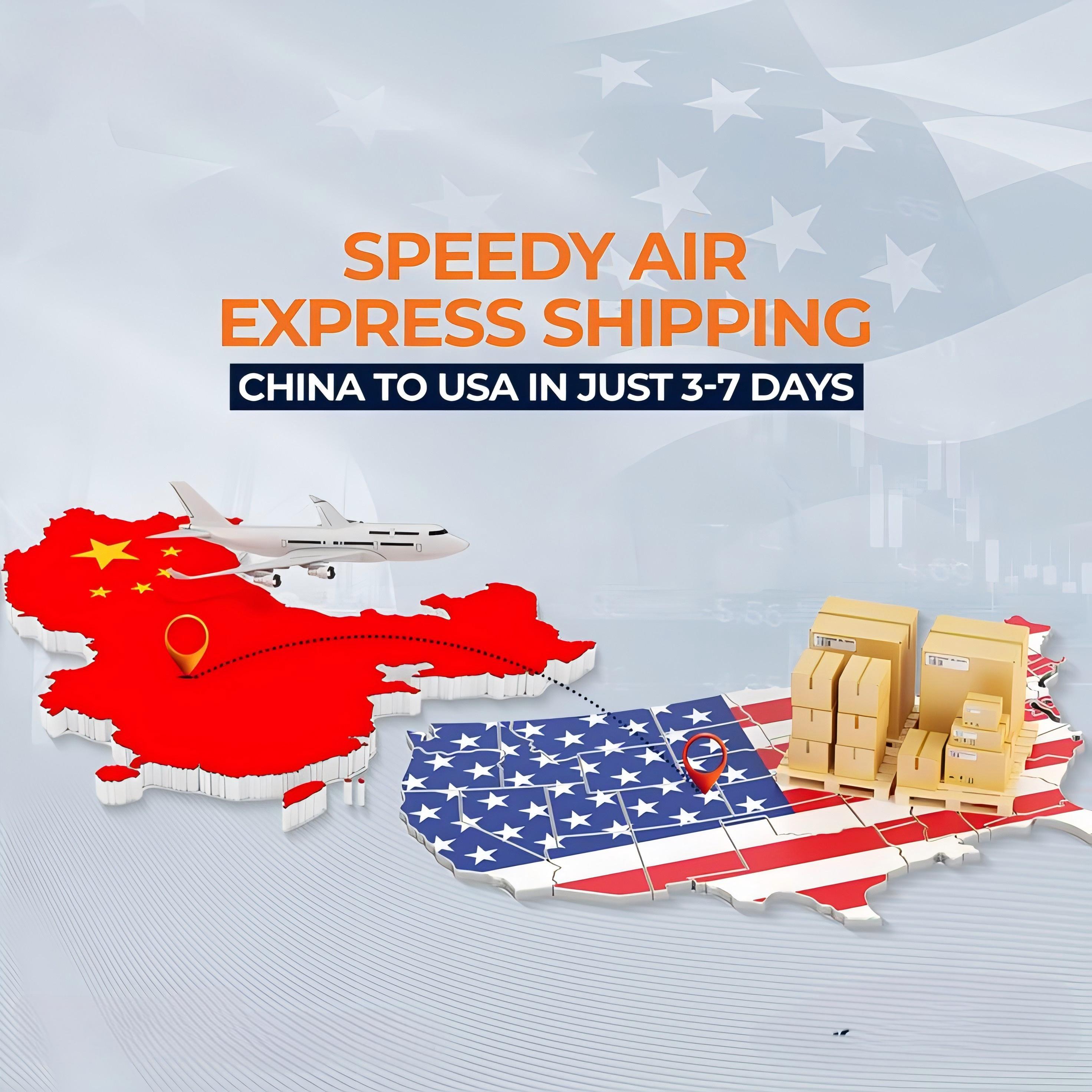
Alternatively, air freight offers unparalleled speed for urgent deliveries or high-value items. While the cost per kilogram is significantly higher, the reduced transit time can help you maintain lower inventory levels. This strategy is particularly useful for electronics or fashion items with short market lifecycles.
Rail freight serves as a middle ground for shipments moving from China to land-linked regions. Specifically, the China-Europe Railway Express provides a faster alternative to sea transport while remaining cheaper than air. This hybrid solution is gaining popularity among manufacturers looking for a balanced logistics approach.
Note: Freight rates are subject to change based on fuel costs, carrier capacity, and seasonal demand. Contact us for a current quote tailored to your specific shipment.
| Method | Cost Range | Transit Time | Best For |
|---|---|---|---|
| Sea Freight | $1,500 – $4,500 | 25 – 45 Days | Bulk & Heavy Goods |
| Air Freight | $5.00 – $12.00/kg | 3 – 7 Days | Urgent & High Value |
| Rail Freight | $2,500 – $5,500 | 15 – 22 Days | Mid-sized Shipments |
| Express | $8.00 – $20.00/kg | 2 – 5 Days | Samples & Documents |

How Does Sea Freight Compare to Other Shipping Options?
Objective analysis shows that sea freight is the backbone of global trade due to its incredible capacity. While sea freight costs $2,000-3,500 for a 40HQ, air freight for the same volume would cost $15,000-25,000. However, the ship arrives in 30-40 days instead of the single week required by a plane.
For shipments under 15 CBM, LCL at $50-80/CBM may be more economical than a full container. This allows smaller businesses to access cheap shipping from china supplier logistics without needing to fill an entire 20-foot box. In contrast, FCL offers better security and faster handling at the port because the container stays sealed.
Direct routes cost 10-15% more but save 5-7 days compared to transshipment via Singapore or Port Klang. If your timeline allows for a longer journey, choosing a route with multiple stops can lower your ocean freight quotes. Furthermore, rail freight offers a viable alternative for trans-Eurasian routes where sea paths are congested.
Hybrid solutions like sea-air combinations are becoming more common in the current market. For example, cargo might travel by sea to Dubai and then finish the journey by air to Europe. This approach cuts the transit time of sea freight in half while keeping costs much lower than pure air transport.
| Shipping Method | Cost Level | Transit Time | Limitations |
|---|---|---|---|
| Ocean FCL | Very Low | 30-45 Days | Requires high volume |
| Ocean LCL | Low | 35-50 Days | Higher risk of damage |
| Air Cargo | High | 5-10 Days | Weight restrictions |
| Rail Express | Medium | 18-25 Days | Geographic limits |
Which Shipping Option Should You Choose?
Budget priority dictates that you should almost always choose sea freight for non-urgent inventory. If you are moving more than 15-20 cubic meters, booking a full 20GP container is usually the most cost-effective path. Additionally, consolidating multiple supplier orders into one container can further reduce your per-unit logistics expense.
Speed priority requires the use of air cargo or express courier services. When a stock-out is imminent, the high cost of air freight is often justified by the revenue saved from keeping products on shelves. Moreover, Amazon FBA sellers often use air for their initial launch to get products live quickly.
Cargo type considerations play a vital role in your final decision. Perishable goods or high-sensitivity electronics may not survive the humidity and temperature changes of a 40-day sea voyage. Meanwhile, heavy machinery and raw materials are physically and financially impossible to move via air in large quantities.
Volume thresholds often determine when it is time to switch from LCL to FCL. Once your shipment exceeds 13-15 CBM, the cost of an entire 20-foot container often becomes cheaper than paying for individual cubic meters. Indeed, managing these thresholds is a key part of professional logistics management.
Case Studies: Real-World Shipping Scenarios
Case Study 1: Furniture Import to Europe. Route: Ningbo, China to Rotterdam, Netherlands. Cargo: Office Furniture, 65 CBM, 12,000 kg. Container: 40HQ. Shipping Details: Major carrier via Suez Canal. Cost Breakdown: Ocean Freight $3,200, Origin Charges $450, Destination Charges $600. Total Landed Cost: $4,250. Timeline: Sea Transit 32 days, Total Door-to-Door 42 days. Key Insight: Booking 4 weeks in advance secured a rate 15% below the market average.
Case Study 2: Electronics to North America. Route: Shenzhen, China to Los Angeles, USA. Cargo: Consumer Electronics, 25 CBM, 5,500 kg. Container: 20GP. Shipping Details: Direct service to West Coast. Cost Breakdown: Ocean Freight $2,100, Origin Charges $400, Customs & Duties $1,200. Total Landed Cost: $3,700. Timeline: Sea Transit 16 days, Customs Clearance 3 days. Key Insight: Using door to door service simplified the final mile delivery during peak season.
Market data suggests that rates for these routes have stabilized as of early 2025. However, geopolitical events can still impact transit times and pricing without much warning. Therefore, maintaining a flexible supply chain is the best way to ensure cheap shipping from china supplier logistics remains consistent.
Strategies to Reduce Your Logistics Expenses
Consolidating shipments from multiple suppliers is one of the most effective ways to lower costs. Instead of paying for several small LCL shipments, you can have your freight forwarder gather items at a central warehouse. This allows you to fill a single container, which significantly reduces the origin and destination handling fees.
Negotiating Incoterms with your supplier can also lead to hidden savings. While many buyers prefer EXW, choosing FOB (Free on Board) means the supplier handles the transport to the Chinese port. Consequently, you only become responsible for the ocean freight, which gives you better control over the selection of carriers.
Optimizing your delivery schedule helps you avoid the high costs associated with rushed transport. By maintaining a slightly higher safety stock, you can afford to use slower, cheaper shipping methods like sea freight. Furthermore, shipping to North America via West Coast ports instead of East Coast ports can save both time and money.
Utilizing a professional customs broker prevents expensive delays and fines. Incorrect paperwork can lead to demurrage charges at the port, which often exceed hundreds of dollars per day. Thus, investing in customs brokerage ensures your goods move through the border without unnecessary financial friction.
Monitoring logistics trends allows you to anticipate market shifts before they happen. For example, if you notice a trend toward higher fuel surcharges, you might choose to ship your Q4 inventory earlier in the year. Ultimately, staying informed is the best way to maintain cheap shipping from china supplier logistics.
Understanding Customs Brokerage and Documentation
Successful importing requires a deep understanding of the legal requirements in both the origin and destination countries. Every shipment must be accompanied by a Bill of Lading, a Commercial Invoice, and a detailed Packing List. Without these documents, your cargo will likely be detained by authorities for an indefinite period.
Importing into Europe involves specific VAT and EORI number requirements that differ from other regions. Failure to comply with these regulations can lead to the seizure of your goods and heavy financial penalties. Therefore, verifying your documentation before the ship leaves China is a critical step in the process.
Customs duties are calculated based on the value of the goods and their specific HS code. Some products may be subject to anti-dumping duties, which can increase the cost of your shipment by over 50%. Accordingly, researching these potential costs during the product sourcing phase is essential for maintaining a profitable business model.
Digital documentation is becoming the standard in modern logistics management. Many ports now accept electronic Bills of Lading, which speeds up the clearance process and reduces the risk of lost paperwork. Nevertheless, some regions still require physical copies, so you must confirm the local requirements with your freight partner.
| Document | Purpose | Required By | Timing |
|---|---|---|---|
| Bill of Lading | Title of Goods | Carrier/Customs | At Loading |
| Commercial Invoice | Value Declaration | Customs | Before Export |
| Packing List | Cargo Details | Warehouse/Customs | At Loading |
| Cert. of Origin | Duty Calculation | Customs | Before Export |
Emerging Trends in Global Logistics for 2025
Technological advancements are rapidly changing how businesses manage their international supply chains. Real-time tracking systems now allow importers to see the exact location of their containers at any given moment. This transparency helps companies plan their local distribution more accurately and reduces the impact of transit delays.
Sustainability is becoming a major focus for carriers and shippers alike. Many logistics providers are now offering ‘green’ shipping options that utilize biofuels or carbon offset programs. While these might not always provide the absolute cheap shipping from china supplier logistics, they help companies meet environmental regulations in regions like Australia.
Automation in port terminals is significantly reducing the time it takes to load and unload massive container ships. As more ports adopt these technologies, we expect to see a gradual reduction in port congestion and associated surcharges. Consequently, the overall efficiency of the global shipping network continues to improve year over year.
E-commerce growth continues to drive the demand for specialized logistics services. Small parcel delivery and direct-to-consumer shipping from Chinese warehouses are becoming more common than traditional bulk importing. Specifically, businesses are looking for ways to bypass traditional retail distribution centers to reach their customers faster.
Mastering Your Logistics Strategy
Achieving cheap shipping from china supplier logistics requires a combination of strategic planning, carrier selection, and diligent documentation. By understanding the differences between sea, air, and rail freight, you can choose the method that best aligns with your business goals. Moreover, leveraging consolidation and negotiating favorable Incoterms will help you keep your costs as low as possible.
Professional freight forwarders play an indispensable role in navigating the complexities of global trade. They provide the expertise needed to avoid common pitfalls like customs delays and unexpected port fees. Ultimately, the most successful importers are those who view logistics as a core component of their competitive advantage rather than just a business expense.

Ready to streamline your logistics?
Ready to optimize your supply chain and secure cheap shipping from china supplier logistics? Contact our expert team at Best Freight Ltd today for a customized quote that fits your budget and timeline. Visit our website to get started and see how we can transform your international trade operations. Send Inquiry: https://bestfreightltd.com/contact/
Request Quote