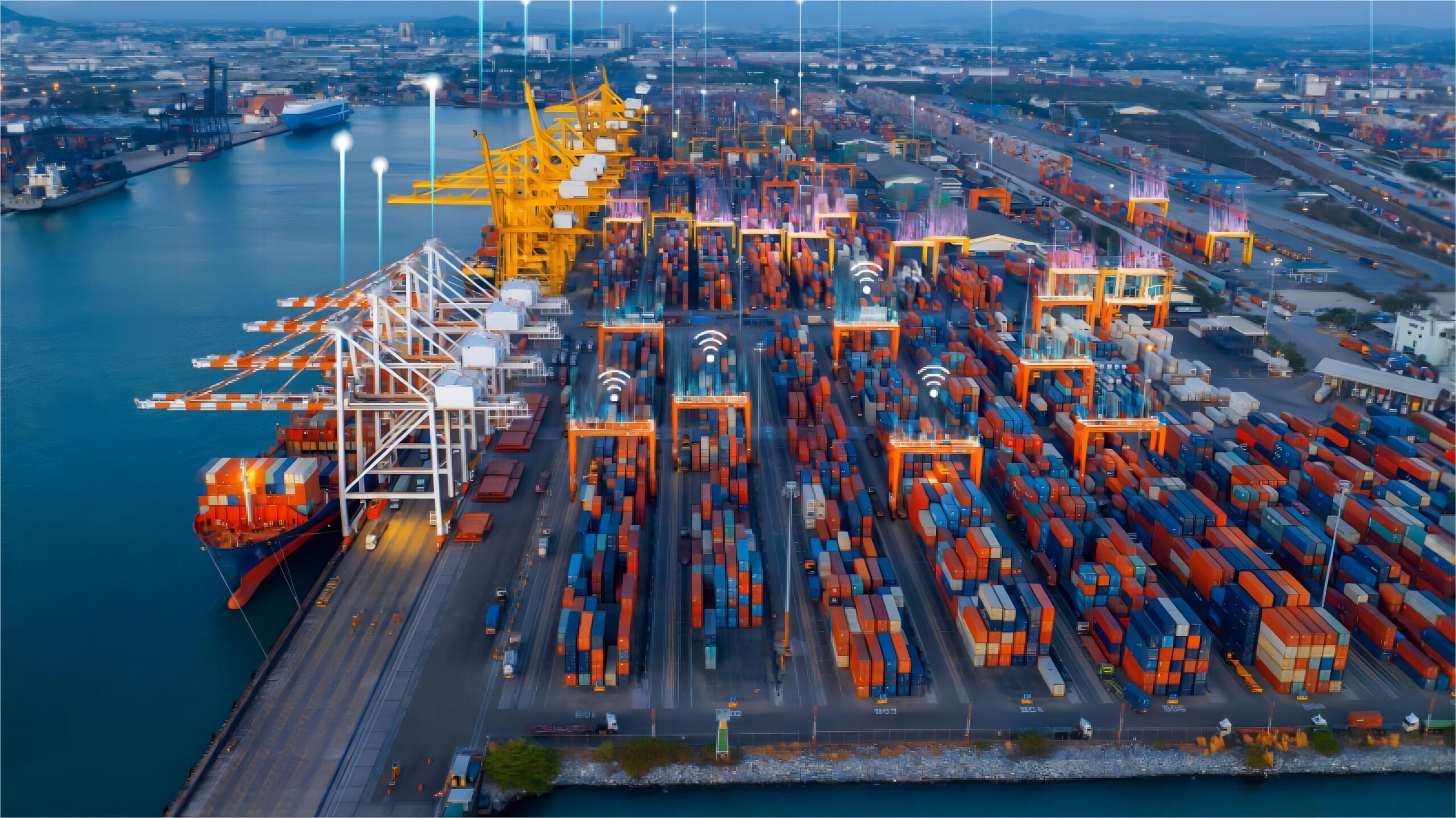

China Railway Freight Service Local Warehouse: 2026 Logistics Guide
Developing a resilient supply chain in 2026 requires more than just standard shipping methods. Businesses today increasingly rely on a comprehensive China railway freight service local warehouse strategy to balance speed and cost. By integrating rail transport with localized storage solutions, companies can effectively navigate the fluctuating demands of the modern global market. Best Freight Ltd provides the expertise needed to manage these complex logistics networks seamlessly.
✦
What is the China Railway Freight Service Local Warehouse Model?
This logistics model combines long-haul rail transportation with strategically located storage facilities near the final destination. Historically, rail was seen as a middle ground between sea and air, but in 2026, it has become a primary choice for high-value industrial goods. Furthermore, the inclusion of a local warehouse allows for rapid distribution once the train reaches the terminal hub.
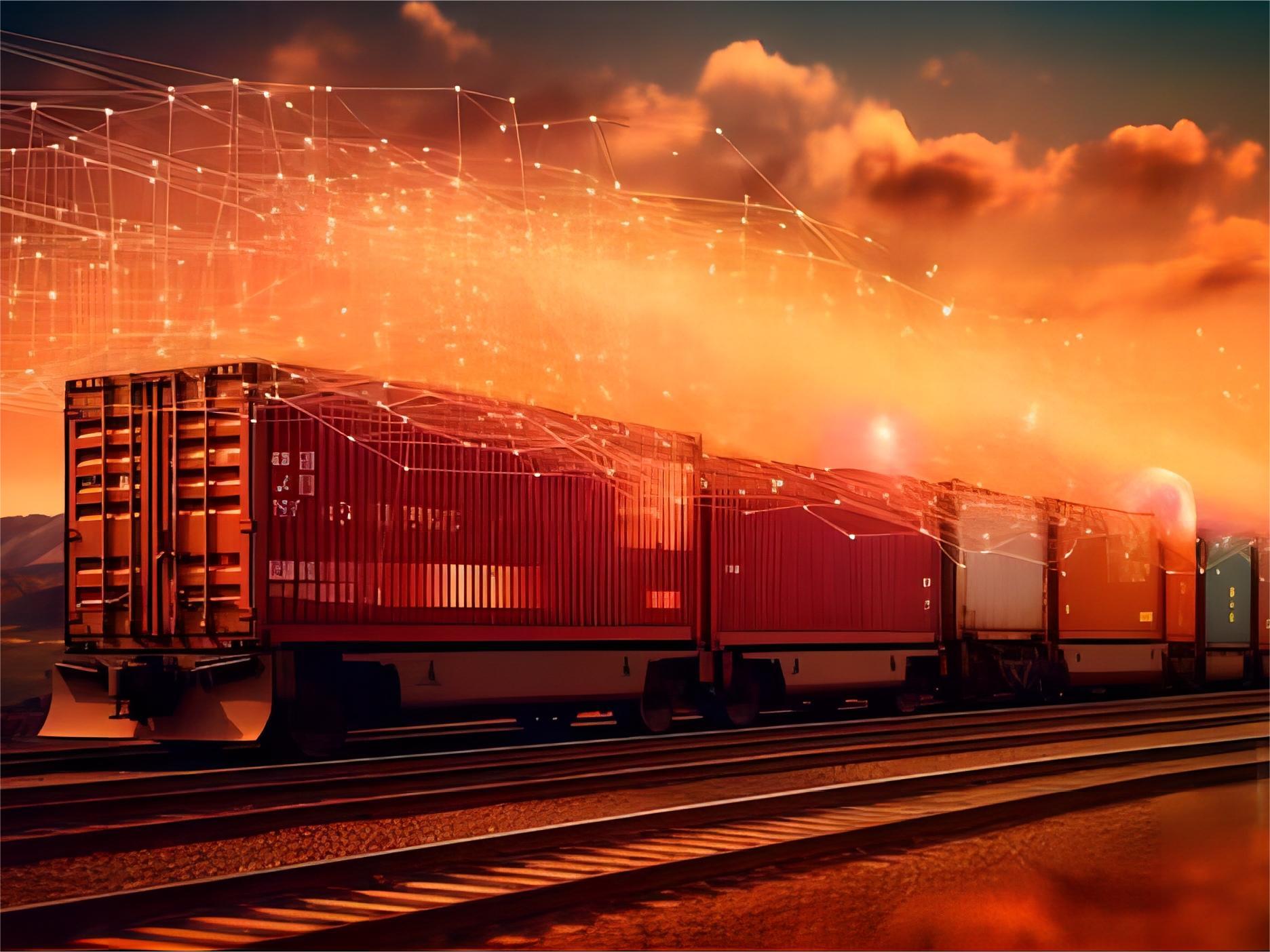
Consequently, businesses can maintain lower inventory levels in their home countries while keeping stock ready for immediate dispatch. This hybrid approach reduces the risks associated with long-lead times and port congestion. Many importers now utilize rail freight as their backbone for consistent supply chain flow.
Moreover, the local warehouse acts as a buffer against market volatility. Instead of shipping small batches by air, companies can ship bulk quantities via rail and store them locally. This method significantly lowers the landed cost per unit without sacrificing the ability to meet customer demand quickly.
How Does China Railway Freight Service Compare to Other Shipping Options?
Evaluating different transport modes is essential for choosing the right strategy for your specific cargo. While sea freight remains the cheapest for massive volumes, rail offers a much faster transit time for time-sensitive shipments. On the other hand, air freight is the fastest but comes with a price tag that can be prohibitive for many commodities.
Therefore, rail freight serves as the perfect ‘sweet spot’ for modern logistics. In 2026, the rail infrastructure across Eurasia has reached a level of reliability that rivals traditional maritime routes. Indeed, the stability of rail schedules makes it an attractive alternative to the often-congested sea lanes.
The following table provides a clear comparison of the primary shipping methods available from China to major global regions in 2026.
| Shipping Method | Cost Range | Transit Time | Best For |
|---|---|---|---|
| Rail Freight | Medium | 15-22 Days | Industrial goods, electronics |
| Sea Freight | Low | 30-45 Days | Bulk commodities, low-value items |
| Air Freight | High | 3-7 Days | Urgent samples, perishables |
| Express Service | Very High | 2-5 Days | Small parcels, documents |
Why Should You Utilize a Local Warehouse with Rail Freight?
Integrating a local warehouse into your rail logistics plan offers several strategic advantages. Specifically, it allows for ‘last-mile’ optimization that is often difficult to manage from a distance. Additionally, local warehouses provide value-added services such as labeling, kitting, and quality inspections before the goods reach the final customer.
Transitioning to this model can also simplify your customs brokerage requirements. By clearing goods in bulk at the rail terminal and moving them to a bonded warehouse, you can defer duties until the items are actually sold. This improves cash flow and reduces the immediate financial burden of large imports.
Furthermore, having stock in a local facility enables you to compete with local manufacturers on delivery speed. In the world of e-commerce, being able to offer 24-hour or 48-hour delivery is a major competitive edge. Consequently, the combination of rail and local storage is becoming the standard for successful international brands.
Key Benefits of China Railway Freight Service Local Warehouse in 2026
Efficiency is the hallmark of the 2026 logistics landscape. By choosing a rail-centric warehouse model, you minimize the environmental impact of your shipping compared to air freight. Sustainable freight options are no longer just a trend; they are a requirement for many corporate ESG goals.
Moreover, the reliability of rail transit has improved significantly due to better cross-border coordination. Unlike sea freight, which can be delayed by weather or port strikes, rail routes are generally more predictable. This predictability allows for tighter inventory management and more accurate forecasting.
Another benefit is the reduction in cargo damage. Modern rail containers are equipped with advanced shock-absorption and climate control systems. Therefore, sensitive electronics and machinery are often safer on a train than in a turbulent air cargo hold or a humid sea container.
Cost-Saving Strategies for Rail Logistics
To maximize savings, consider using door to door services that include warehouse handling. Consolidating shipments into Full Container Loads (FCL) rather than Less than Container Loads (LCL) can also reduce the per-unit cost. Furthermore, booking your rail space at least 3-4 weeks in advance can help secure lower rates during peak seasons.
Transit Times and Regional Hubs in 2026
Understanding the primary rail corridors is vital for planning your shipments. The northern route through Russia and the middle corridor through Central Asia both offer different transit times and cost structures. Depending on your destination in Europe, one route may be significantly more efficient than the other.
Typically, shipments from Chengdu or Xi’an reach major European hubs like Warsaw or Duisburg in about 18 days. From there, local distribution via truck or smaller rail lines takes an additional 2-4 days. This total door-to-door time is significantly faster than the 40+ days required for sea freight.
Market data suggests that these transit times will remain stable throughout 2026 as infrastructure projects in Kazakhstan and Turkey come online. Consequently, rail is becoming the preferred method for high-turnover consumer goods.
| Destination Hub | Origin City | Rail Transit | Total Door-to-Door |
|---|---|---|---|
| Warsaw, Poland | Chengdu | 14-16 Days | 18-20 Days |
| Duisburg, Germany | Xi’an | 16-18 Days | 20-22 Days |
| Liege, Belgium | Zhengzhou | 17-19 Days | 21-23 Days |
| Madrid, Spain | Yiwu | 20-22 Days | 25-27 Days |
Managing Customs and Documentation for Rail Freight
Navigating the regulatory environment is often the most challenging part of international trade. However, the rail freight model has streamlined many of these processes through digital documentation. In 2026, most rail corridors utilize electronic waybills, which speed up border crossings significantly.
Nevertheless, you must ensure that all paperwork is perfectly in order to avoid delays. Common documents include the commercial invoice, packing list, certificate of origin, and the rail consignment note (CIM/SMGS). Using a professional freight forwarder can help you manage these requirements without stress.
For companies selling on platforms like Amazon, using specialized Amazon FBA rail services is highly recommended. These services include pre-booked delivery slots and specialized labeling that meet the strict requirements of fulfillment centers. This ensures your products go from the rail terminal to the warehouse shelves without any hiccups.
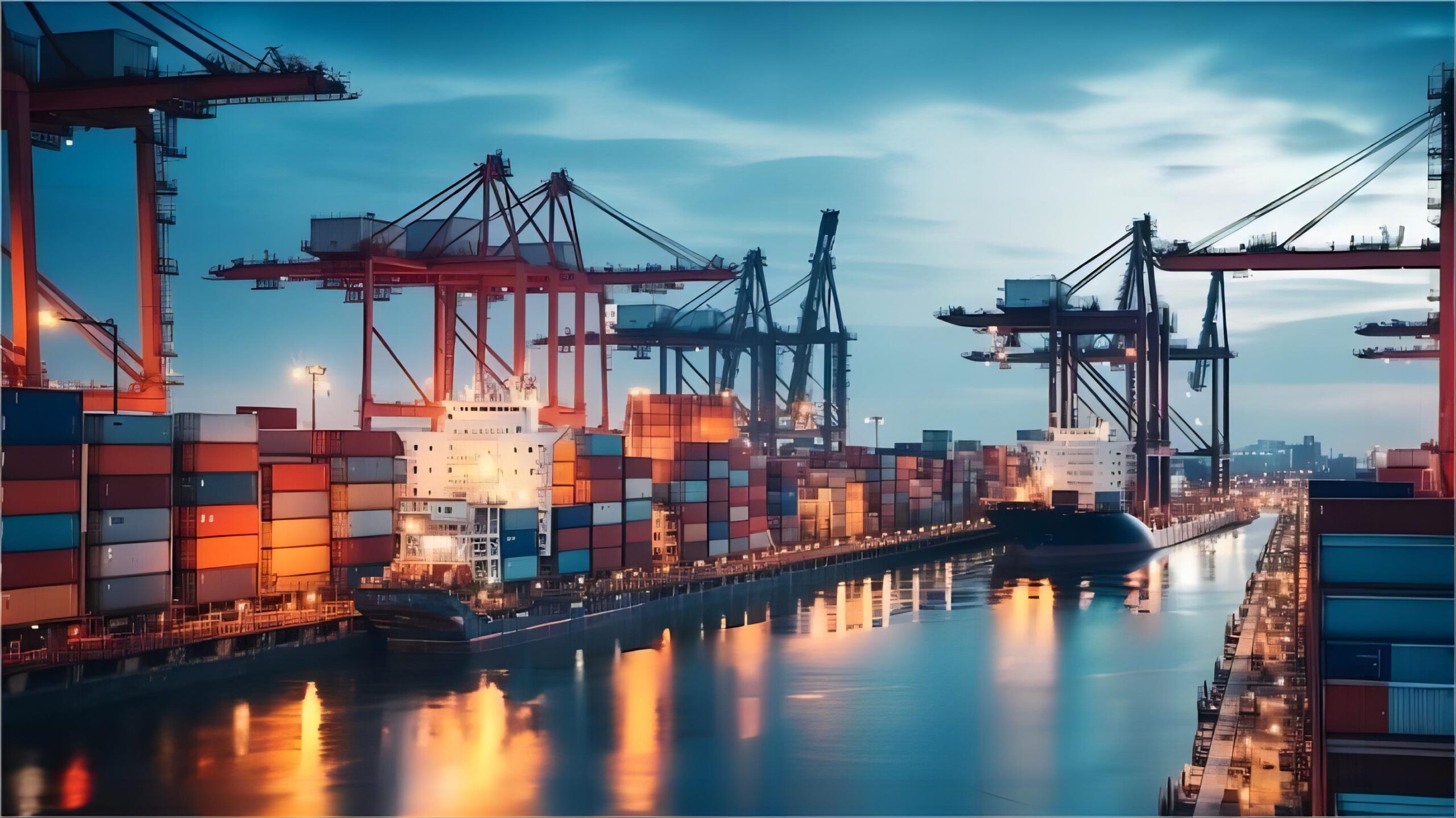
Real-World Case Studies: Rail Freight Success in 2026
Examining real scenarios helps illustrate the practical benefits of the China railway freight service local warehouse model. These examples reflect the current market conditions and pricing as of early 2026. Each case demonstrates how specific logistics challenges were solved using integrated rail and storage solutions.
Case studies provide a blueprint for how you can structure your own shipping operations. Whether you are dealing with large volumes or specialized cargo, the flexibility of rail freight is evident in these success stories.
Case Study 1: High-Volume Electronics Distribution
Case Study 1: Consumer Electronics Launch Route: Shenzhen, China to Hamburg, Germany Cargo: Smart Home Devices, 68 CBM, 12,500 kg Container: 1 x 40HQ Shipping Details: – Carrier/Service: China Railway Express – Port of Loading: Xi’an Inland Port – Port of Discharge: Hamburg Billwerder – Route Type: Direct via Northern Corridor Cost Breakdown: – Rail Freight: $4,200 – Origin Charges: $450 – Destination Charges: $550 – Customs & Duties: $2,800 – Total Landed Cost: $8,000 Timeline: – Booking to Loading: 4 days – Rail Transit: 17 days – Customs Clearance: 2 days – Total Door-to-Door: 23 days Key Insight: By using rail instead of sea, the client saved 20 days, allowing them to hit their product launch date during the Q1 peak. Based on early 2026 market rates.
Case Study 2: Auto Parts Supply Chain Stability
Case Study 2: Automotive Components LCL Route: Chengdu, China to Warsaw, Poland Cargo: Precision Engine Parts, 8 CBM, 3,200 kg Container: LCL (Less than Container Load) Shipping Details: – Carrier/Service: Major Rail Consolidation Service – Port of Loading: Chengdu Qingbaijiang – Port of Discharge: Warsaw Pruszkow – Route Type: Direct Cost Breakdown: – Rail Freight: $1,120 – Origin Charges: $200 – Destination Charges: $300 – Customs & Duties: $1,200 – Total Landed Cost: $2,820 Timeline: – Booking to Loading: 5 days – Rail Transit: 15 days – Customs Clearance: 1 day – Total Door-to-Door: 21 days Key Insight: LCL rail provided a cost-effective alternative to air freight for urgent production line replenishment. Typical rates as of Q2 2026.
Which Option Should You Choose? Decision Framework
Selecting the right logistics strategy depends on your specific business priorities. If your primary goal is to minimize costs and you have long lead times, sea freight is still the winner. However, if you need to balance speed with a reasonable budget, the China railway freight service local warehouse model is superior.
Consider the value of your goods when making this decision. High-value items that tie up capital are better suited for the faster transit times of rail. Conversely, low-value, bulky items like furniture or raw materials are usually better off on a ship.
Furthermore, analyze your demand patterns. If your sales are highly seasonal or unpredictable, having a local warehouse hub fed by regular rail shipments allows you to react much faster than waiting for a six-week sea voyage. This agility is often worth the slightly higher cost of rail transport.
| Priority | Recommended Option | Why? | Trade-off |
|---|---|---|---|
| Lowest Cost | Sea Freight | Maximum economy of scale | Slowest transit time |
| Maximum Speed | Air Freight | Fastest possible delivery | Highest carbon footprint |
| Balanced Value | Rail Freight | Fast transit, moderate cost | Limited to inland routes |
| E-commerce | Rail + Local Warehouse | Fast local delivery, good ROI | Requires inventory management |
Future Trends: Rail Freight and Warehousing in 2027 and Beyond
Looking ahead, the integration of AI and IoT into rail logistics will further enhance the China railway freight service local warehouse experience. In 2026, we are already seeing real-time tracking at the item level, not just the container level. This transparency allows for even more precise inventory planning.
Additionally, the expansion of the ‘Middle Corridor’ through the Caspian Sea is providing more options for avoiding geopolitical bottlenecks. This diversification makes rail freight a more stable long-term investment for global supply chains. Consequently, we expect to see more companies shifting their primary logistics focus to rail.
Finally, green logistics will continue to drive rail adoption. As carbon taxes become more prevalent in Europe and North America, the lower emissions of trains compared to planes and ships will provide a direct financial benefit. Therefore, choosing rail is not just a logistical decision, but a strategic financial one as well.
Final Thoughts on Rail Freight and Local Warehousing
To summarize, the China railway freight service local warehouse model represents the future of efficient international trade. By combining the speed of rail with the flexibility of local storage, businesses can achieve a level of supply chain agility that was previously impossible. This approach not only saves time but also provides a significant competitive advantage in the 2026 market.
Whether you are shipping electronics, automotive parts, or consumer goods, the benefits of rail logistics are clear. Reduced transit times, lower costs compared to air, and enhanced reliability make it an essential tool for any modern importer. Partnering with a professional like Best Freight Ltd ensures that your logistics operations are handled with the highest level of care and expertise.
Note: Freight rates are subject to change based on fuel costs, carrier capacity, and seasonal demand. Contact us for a current quote tailored to your specific shipment.