

China to Germany Air Cargo Factory Pickup: 2026 Logistics Guide
Efficient global trade requires a logistics partner that can bridge the gap between manufacturing hubs and European markets with speed and precision. If you are looking to streamline your procurement process, choosing Best Freight Ltd ensures your goods move seamlessly from the factory floor to their final destination. This comprehensive guide explores how china to germany air cargo factory pickup simplifies your operations by eliminating logistical bottlenecks and reducing transit times. Many businesses now prioritize this direct service to maintain lean inventory levels and respond quickly to market demands in 2026.
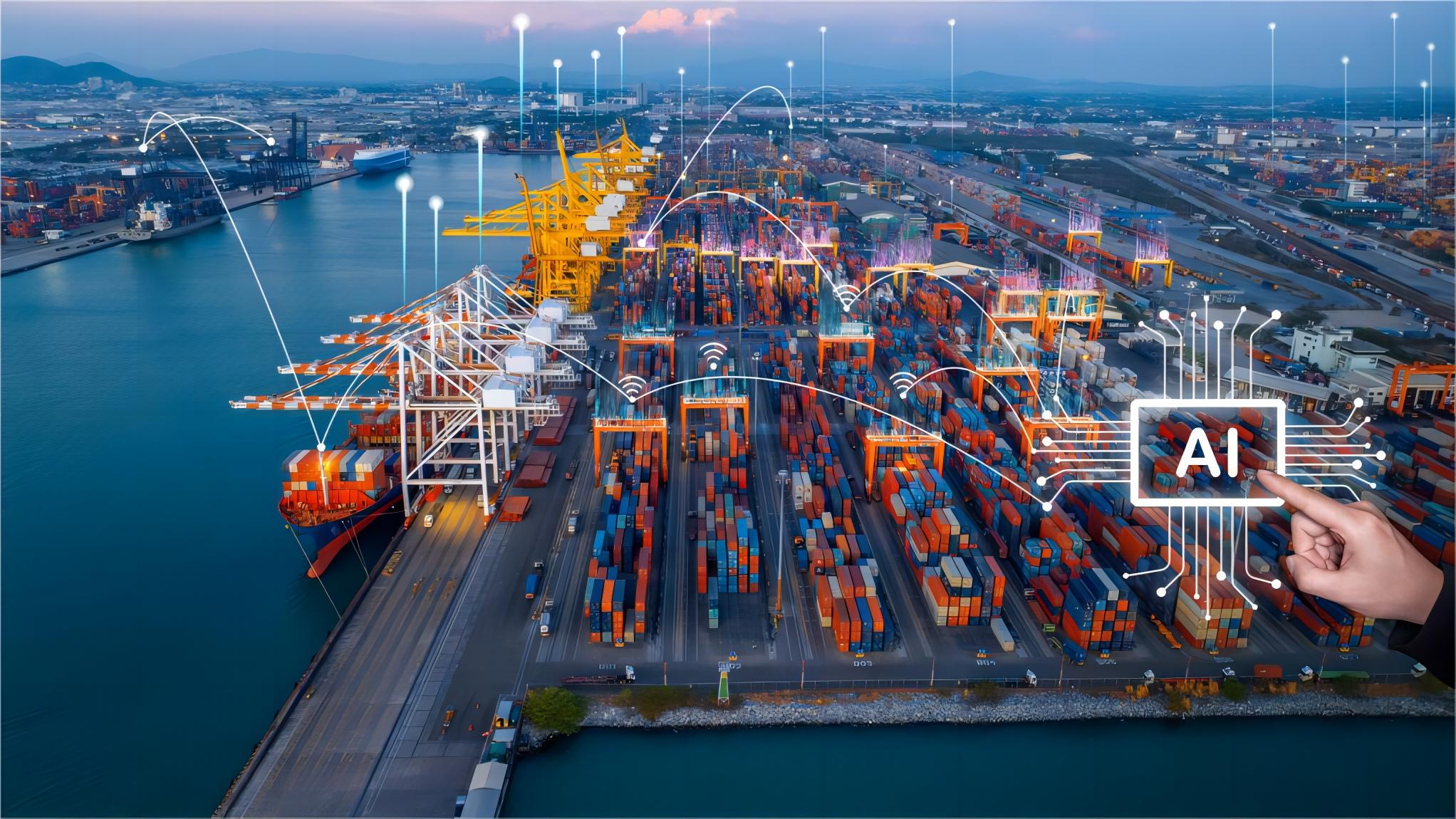
What is China to Germany Air Cargo Factory Pickup?
Modern logistics has evolved to provide more than just port-to-port transportation for international businesses. Specifically, china to germany air cargo factory pickup is a comprehensive service where the freight forwarder manages the entire journey starting from the supplier’s warehouse. This method involves coordinating with Chinese manufacturers to collect goods, handle inland trucking, and manage export documentation before the flight. Consequently, importers no longer need to worry about the complexities of local transport in China or coordinating multiple vendors.
Choosing air freight for these shipments provides the fastest possible connection between major Chinese industrial zones and German economic centers. Since the logistics provider handles the pickup, the risk of delays at the origin is significantly minimized. Furthermore, this service is particularly beneficial for high-value goods like electronics, automotive parts, and fashion items that require tight security and rapid turnover. Ultimately, it offers a hands-off experience for the buyer while maintaining full visibility through advanced tracking systems.
The Role of the Freight Forwarder in Factory Pickup
Experienced forwarders act as the primary point of contact between the factory and the airline. They ensure that all packaging meets international air safety standards and that the weight and dimensions are accurately reported. Moreover, they manage the delicate timing required to match factory production schedules with scheduled flight departures. This coordination is essential for maintaining a consistent supply chain in the competitive 2026 market environment.
How Does Air Cargo Compare to Other Shipping Options?
Selecting the right shipping method depends on your specific balance of cost, speed, and cargo volume. While air cargo is the fastest option, comparing it against sea and rail freight helps businesses make informed financial decisions. For instance, sea freight remains the most economical choice for massive bulk shipments, but it cannot compete with the 5-to-8-day transit time of air transport. Meanwhile, rail freight offers a middle ground, though it is often subject to different geopolitical variables than air routes.
As of early 2026, air freight rates have stabilized, making it more attractive for mid-sized shipments that previously might have gone by rail. However, businesses must weigh the higher per-kilogram cost of air transport against the benefits of faster capital turnover and lower inventory carrying costs. Therefore, an objective analysis of all viable alternatives is necessary for every shipment to Germany.
| Shipping Method | Cost Range (2026) | Transit Time | Best For |
|---|---|---|---|
| Air Freight | $4.50 – $9.00 / kg | 5 – 8 Days | High-value, urgent goods |
| Sea Freight | $1,800 – $3,500 / 20GP | 30 – 45 Days | Bulk, non-urgent cargo |
| Rail Freight | $2.20 – $3.80 / kg | 18 – 22 Days | Heavy machinery, mid-value |
| Express Service | $9.00 – $15.00 / kg | 3 – 5 Days | Samples, small parcels |
Why Choose China to Germany Air Cargo Factory Pickup for Your Business?
Convenience serves as the primary driver for businesses opting for factory pickup services in 2026. By utilizing door to door logistics, you eliminate the need to find a separate Chinese trucking company to reach the airport. Additionally, this integrated approach ensures that the export customs documents are prepared correctly at the source, which prevents costly storage fees at the airport. Many German companies find that this level of integration reduces administrative overhead significantly.
Reliability is another critical factor when shipping from China to Germany. Professional logistics providers use a network of local agents who understand the regional regulations in provinces like Guangdong, Zhejiang, and Jiangsu. Consequently, they can navigate local traffic restrictions and factory operating hours more effectively than an external coordinator. This local expertise ensures that your china to germany air cargo factory pickup happens on schedule, every time.
Cost-Saving Strategies for Air Freight
Reducing your total landed cost is possible even when using premium air services. For example, consolidating multiple smaller orders from different factories into a single air shipment can lower the per-kilogram rate. Furthermore, optimizing your packaging to reduce volumetric weight can lead to substantial savings. Industry experts suggest that planning shipments at least two weeks in advance can help secure better rates during the 2026 peak seasons.
Step-by-Step Logistics Flow for China to Germany Air Cargo Factory Pickup
Understanding the journey of your cargo helps you manage expectations and plan your downstream operations. The process begins with a booking request where you provide the factory address and cargo details to your forwarder. Once confirmed, a local truck is dispatched to the factory to collect the pallets or cartons. Therefore, the factory must have the goods ready and the commercial invoice prepared before the truck arrives to avoid waiting charges.
After pickup, the cargo moves to a consolidation warehouse near major airports like Shanghai Pudong or Shenzhen Bao’an. Here, workers inspect the packaging and weigh the shipment for final air waybill preparation. Subsequently, the cargo undergoes Chinese export customs clearance before being loaded onto the aircraft. Upon arrival in Germany, typically at Frankfurt or Munich, the final phase involving import clearance and local delivery begins.
| Process Stage | Typical Duration | Key Action | Responsibility |
|---|---|---|---|
| Factory Pickup | 1 Day | Goods collection | Forwarder/Trucker |
| Export Customs | 1 – 2 Days | Document filing | Customs Broker |
| Air Transit | 10 – 14 Hours | Flight to Germany | Airline |
| Import Clearance | 1 – 2 Days | Duty payment | Importer/Broker |
Understanding the Cost of Air Freight in 2026
Freight rates are influenced by several dynamic factors including fuel surcharges, seasonal demand, and carrier capacity. In 2026, market data suggests that rates from China to Europe have stabilized after previous disruptions, though they remain higher than pre-2024 levels. To get the most accurate pricing, you should request a quote that includes all surcharges and local fees. Utilizing a professional customs brokerage service can also help you avoid unexpected fines or delays that increase total costs.
Note: Freight rates are subject to change based on fuel costs, carrier capacity, and seasonal demand. Contact us for a current quote tailored to your specific shipment. For shipments under 500 kg, you might find that express service provides better value due to its all-inclusive pricing structure. However, for larger volumes, standard air freight remains the most cost-effective way to move goods quickly across continents.
Which Option Should You Choose for Your Shipments?
Determining the best logistics strategy requires a clear understanding of your business priorities and cargo characteristics. If your primary goal is speed to market for a new product launch, air cargo is the undisputed winner. On the other hand, if you are moving low-margin goods in high volumes, sea freight is necessary to maintain profitability. We recommend a hybrid approach for many clients, using air for urgent stock and sea for the bulk of their inventory.
Decision criteria for choosing china to germany air cargo factory pickup include the value-to-weight ratio of the product. Generally, if the shipping cost is less than 15% of the product’s value, air freight is a viable long-term strategy. Moreover, consider the reliability of your supplier; if they often miss production deadlines, the speed of air cargo can help you recover that lost time and meet your customer commitments in Germany.
Volume Thresholds and Hybrid Solutions
Small shipments under 100 kg are usually best handled via express couriers. For shipments between 100 kg and 1,000 kg, standard air freight with factory pickup offers the best balance of cost and control. If you are shipping over 2,000 kg, it may be worth exploring sea-air hybrid solutions, which involve shipping by sea to a hub like Dubai and then flying the goods to Germany. This can save up to 30% in costs compared to pure air freight while still being faster than pure sea freight.
Real-World Case Studies: China to Germany Air Cargo
Examining actual shipping scenarios provides valuable insight into the costs and timelines you can expect in the current market. These cases reflect typical 2026 logistics operations for different industries. According to industry benchmarks, successful shipments rely on accurate documentation and proactive communication between all parties involved in the supply chain. Below are two examples of how businesses utilize china to germany air cargo factory pickup to their advantage.
Case Study 1: Electronics from Guangzhou to Frankfurt Route: Guangzhou, China to Frankfurt, Germany Cargo: High-precision sensors, 3 CBM, 800 kg Service: Air Freight with Factory Pickup Shipping Details: – Carrier: Lufthansa Cargo – Port of Loading: Guangzhou Baiyun (CAN) – Port of Discharge: Frankfurt (FRA) – Route Type: Direct Cost Breakdown: – Air Freight: $4,640 – Origin Charges: $250 – Destination Charges: $320 – Customs & Duties: $1,100 – Total Landed Cost: $6,310 Timeline: – Booking to Loading: 2 days – Air Transit: 12 hours – Customs Clearance: 1 day – Total Door-to-Door: 5 days Key Insight: Using a direct flight minimized handling risks for sensitive electronics.
Case Study 2: Fashion Apparel from Ningbo to Berlin Route: Ningbo, China to Berlin, Germany Cargo: Seasonal Clothing, 12 CBM, 2200 kg Service: Air Freight with Factory Pickup Shipping Details: – Carrier: Air China Cargo – Port of Loading: Shanghai Pudong (PVG) – Port of Discharge: Berlin Brandenburg (BER) – Route Type: Transshipment via Beijing Cost Breakdown: – Air Freight: $10,560 – Origin Charges: $450 – Destination Charges: $580 – Customs & Duties: $2,400 – Total Landed Cost: $13,990 Timeline: – Booking to Loading: 3 days – Air Transit: 2 days – Customs Clearance: 1 day – Total Door-to-Door: 8 days Key Insight: Transshipment offered a 15% cost saving over direct flights during the Q4 peak season.
The Customs Clearance Process in Germany
Navigating the regulatory landscape in Europe requires precision and a thorough understanding of EU customs law. When your cargo arrives in Germany, it must be declared to the ATLAS electronic customs system. Therefore, having a valid EORI number is mandatory for all German importers. Furthermore, ensuring that your HS codes are correct is the most effective way to prevent delays and ensure you pay the correct amount of VAT and duties.
Logistics providers typically handle the communication with German customs officials on your behalf. They will present the commercial invoice, packing list, and air waybill for inspection. Additionally, certain products like medical devices or chemicals may require additional certificates of conformity. By preparing these documents in advance during the factory pickup phase, you ensure a smooth transition through the airport terminal.
| Document Name | Required For | Issuer | Criticality |
|---|---|---|---|
| Commercial Invoice | Value declaration | Supplier | High |
| Packing List | Physical inspection | Supplier | High |
| Air Waybill (AWB) | Transport contract | Forwarder | High |
| Certificate of Origin | Duty preferential | Chamber of Commerce | Medium |
Mastering Your 2026 Logistics Strategy
Successfully managing a china to germany air cargo factory pickup requires a combination of local Chinese expertise and a deep understanding of German import regulations. By integrating factory collection into your air freight strategy, you gain better control over your inventory and reduce the overall time your capital is tied up in transit. This guide has highlighted the importance of choosing the right partner to handle everything from the factory floor to the final delivery point.
As market conditions continue to evolve in 2026, staying informed about freight rates and alternative shipping methods remains crucial for maintaining a competitive edge. Whether you are shipping small high-value components or large seasonal orders, the speed and reliability of air cargo provide a significant advantage. Ultimately, investing in a professional factory pickup service is an investment in the resilience and efficiency of your global supply chain.

Need a tailored shipping solution?
Streamline your international supply chain today with our professional logistics solutions. Our team specializes in efficient china to germany air cargo factory pickup to ensure your business stays ahead of the competition. Contact Best Freight Ltd now to receive a customized quote and expert guidance for your next shipment. Visit our website to learn more about our comprehensive services. Send Inquiry: https://bestfreightltd.com/