

Best Freight Forwarder China to Canada: 2026 Logistics Guide
Finding the best freight forwarder China to Canada requires a deep understanding of complex supply chain dynamics and evolving port regulations. For businesses aiming to scale, partnering with a reliable logistics provider like Best Freight Ltd ensures your cargo moves efficiently across the Pacific. By choosing the right partner, you mitigate risks associated with customs and delivery schedules, allowing your business to thrive in a competitive import market.

Why Choose a Specialized Freight Forwarder for China to Canada Routes?
International shipping involves intricate documentation and strict adherence to CBSA regulations. A professional freight forwarder simplifies this by handling complex paperwork and monitoring your supply chain in real time.
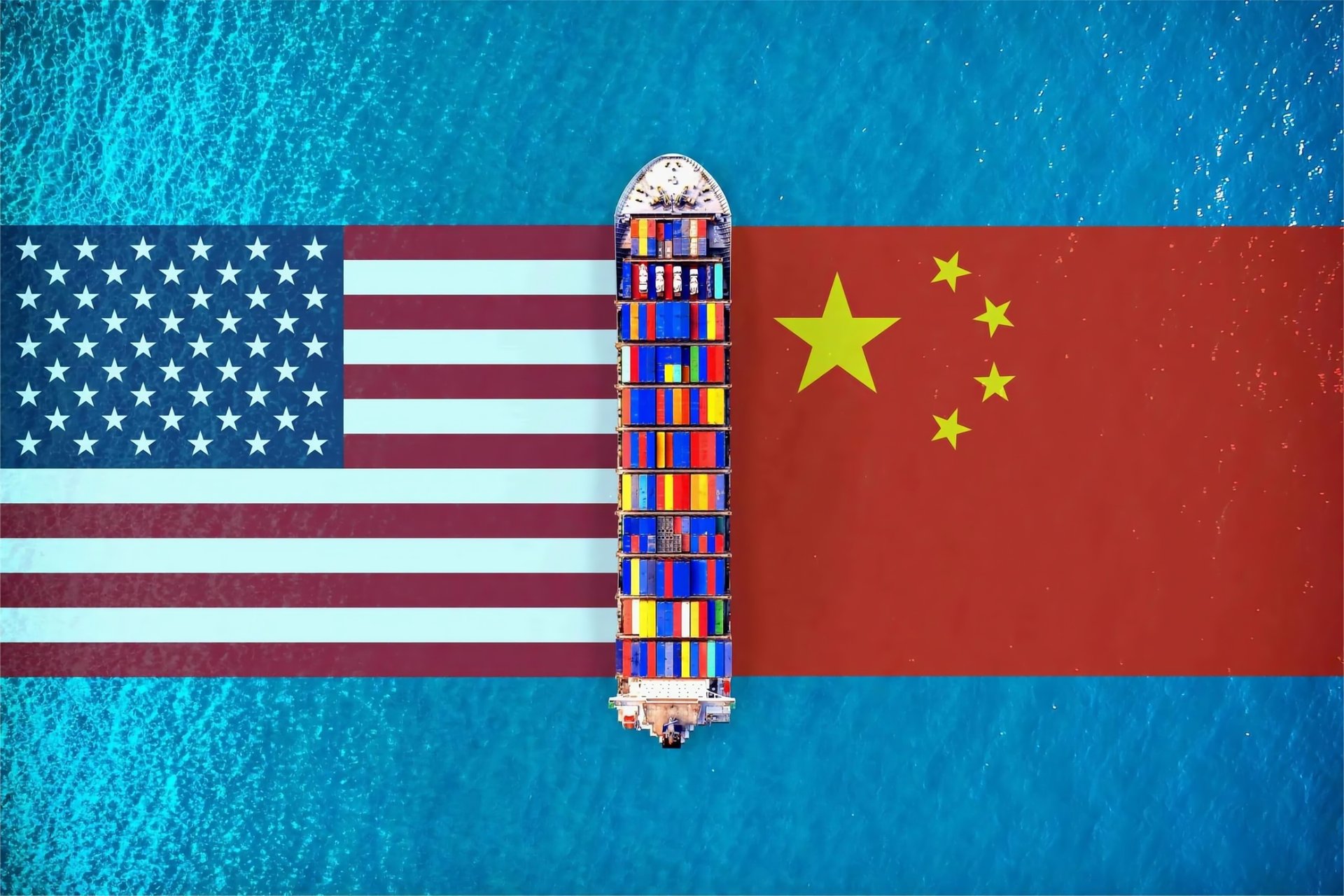
Moreover, specialized forwarders provide competitive freight rates that independent shippers often cannot access. They leverage established relationships with major carriers to secure space during peak seasons, ensuring your goods arrive on schedule.
Additionally, utilizing professional services like customs brokerage prevents costly delays at the border. These experts understand the nuances of Canadian import laws, which ultimately saves your company time and capital.
Evaluating Shipping Methods: Sea, Air, and Rail Freight
Selecting the right transport mode is critical for balancing cost and speed. For high-volume, non-urgent inventory, sea freight remains the industry gold standard for cost-effectiveness.
Conversely, if you face tight deadlines, air freight provides the fastest transit time for high-value or perishable items. It is significantly more expensive, yet for time-sensitive launches, the investment is usually justified.
Furthermore, for businesses looking for a middle ground, rail freight offers a sustainable and relatively quick alternative to traditional ocean routes. This method is gaining popularity for its efficiency in moving bulk goods inland across North America.
If you are an e-commerce seller, consider Amazon FBA services to streamline your fulfillment. These specialized routes guarantee that your products reach fulfillment centers without the headache of manual coordination.
| Method | Cost | Transit Time | Best For |
|---|---|---|---|
| Sea Freight | Low | 25-40 Days | Bulk Goods |
| Air Freight | High | 3-7 Days | Urgent Items |
| Rail Freight | Medium | 15-25 Days | Inland Delivery |
How Does Sea Freight Compare to Other Shipping Options?
Comparing logistics options is essential for optimizing your bottom line. While sea freight costs are generally lower, air freight offers a massive speed advantage, often arriving in under a week compared to over a month for ocean transit.
Furthermore, choosing between FCL and LCL is vital. For shipments under 15 CBM, LCL shipping is frequently more economical than leasing a full container. However, FCL provides better security and faster handling at ports.
Direct routes are typically preferred to avoid transshipment delays. Although direct shipping costs 10-15 percent more, it saves valuable time and reduces the risk of cargo damage during multiple handling stages.
For comprehensive coverage, our North America shipping solutions offer flexible options tailored to your specific cargo volume and budget requirements.
Real World Case Studies
Case Study 1: Electronics Importer. Route: Shenzhen to Vancouver. Cargo: 20 CBM of consumer electronics. Method: LCL sea freight. Cost: $2,800. Transit: 32 days. Insight: High efficiency was achieved by consolidating cargo to avoid peak season surcharges.
Case Study 2: Fashion Retailer. Route: Shanghai to Toronto. Cargo: 500kg of garments. Method: Air freight. Cost: $6,500. Transit: 5 days. Insight: Rapid delivery allowed the client to meet a critical seasonal launch date, offsetting higher costs with increased sales revenue.
Final Thoughts on Choosing Your Logistics Partner
To summarize, selecting the best freight forwarder China to Canada is the most impactful decision for your international trade success. Prioritize providers who offer transparent pricing, reliable transit times, and expert customs support.
By integrating these strategies into your supply chain, you ensure a smoother import process throughout 2026. Always verify current market rates and capacity before booking, as freight conditions fluctuate seasonally.
Ultimately, a strong partnership with a professional forwarder empowers your business to focus on growth while your cargo remains in safe hands.
Get Your Shipping Quote Today
Ready to streamline your logistics? Contact Best Freight Ltd today to request a quote for your next import. Visit Best Freight Ltd to get started with the best freight forwarder China to Canada.
Request Quote