

Bulk cargo shipping from china door delivery: 2026 Logistics Guide
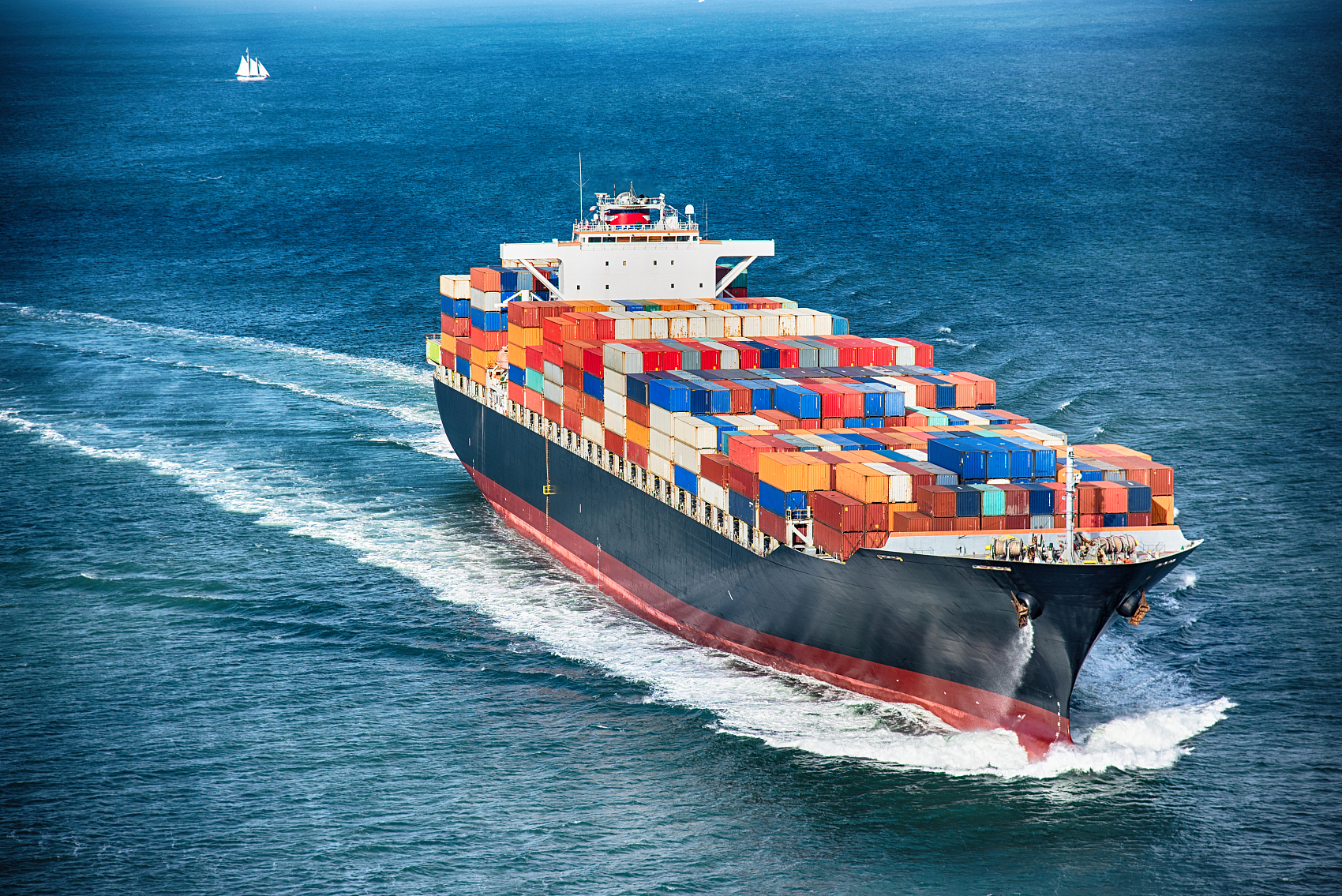
Bulk cargo shipping from china door delivery serves as the backbone of international trade for businesses moving large volumes of goods. Coordinating these complex logistics requires a deep understanding of ocean freight, customs regulations, and local trucking networks. Many importers find that partnering with a reliable freight forwarder like Best Freight Ltd significantly reduces the operational burden of managing global supply chains. This comprehensive 2026 guide provides the essential insights needed to navigate the challenges of transporting heavy machinery, raw materials, and high-volume consumer products directly to your warehouse.

What is bulk cargo shipping from china door delivery?
Traditionally, bulk shipping involved port-to-port movements that left the importer responsible for the final leg of the journey. However, modern door to door services now integrate every step into a single, seamless logistics solution. This approach eliminates the need for businesses to coordinate with multiple carriers and local drayage providers. Indeed, it has become the gold standard for companies importing industrial materials and consumer goods in 2026.
Moreover, this service model covers everything from factory pickup in China to final offloading at the destination. Specifically, the freight forwarder manages the sea transit, export documentation, and destination customs clearance. Consequently, businesses can focus on their core operations while the logistics experts handle the complexities of the international supply chain. This end-to-end visibility is crucial for maintaining tight delivery schedules in a competitive market.

Furthermore, the rise of digital logistics platforms has made tracking these shipments easier than ever before. Importers now receive real-time updates as their cargo moves through various transit points. Nevertheless, the physical handling of bulk cargo remains a labor-intensive process that requires specialized equipment. Therefore, choosing a provider with a robust local network in both China and the destination country is essential for success.
How does bulk shipping compare to other shipping options?
Objective analysis of all viable shipping alternatives is essential for effective cost control in 2026. While bulk cargo shipping is ideal for massive quantities, smaller shipments might better suit different logistics models. For instance, sea freight remains the most economical choice for heavy machinery and high-volume commodities. On the other hand, air freight offers unmatched speed but at a significantly higher price point that can erode profit margins.
Additionally, rail freight has emerged as a middle-ground solution for shipments moving from China to Europe. It offers faster transit times than the ocean while remaining cheaper than air transport. However, rail is not a viable option for routes to North America or Australia. Consequently, ocean freight continues to dominate the bulk shipping market for most global destinations due to its high capacity and lower carbon footprint.
To summarize, the best choice depends on your specific balance of budget, speed, and cargo volume. For shipments exceeding 15 cubic meters, a full container load (FCL) usually provides the best value. Meanwhile, less than container load (LCL) options allow smaller businesses to share space and reduce costs. Without a doubt, evaluating these trade-offs is the first step in optimizing your 2026 logistics strategy.
| Shipping Method | Cost Range | Transit Time | Best For |
|---|---|---|---|
| Sea Freight | $1,500 – $6,000 | 14-40 Days | Large volumes |
| Air Freight | $8,000 – $25,000 | 3-7 Days | Urgent cargo |
| Rail Freight | $2,500 – $4,500 | 18-25 Days | Europe routes |
| Express Service | $10,000+ | 2-5 Days | Small parcels |

Which option should you choose for your business?
Selecting the right shipping method requires a clear understanding of your business priorities and cargo characteristics. If your primary goal is budget priority, we recommend standard sea freight as the most cost-effective solution. This method allows you to move large quantities of bulk cargo at the lowest possible price per unit. However, you must plan for longer lead times to accommodate the ocean transit schedule.
In contrast, if speed priority is your main concern, you should consider air freight or hybrid sea-air solutions. These alternatives are particularly useful for high-value goods or urgent replenishment of stock. Additionally, cargo type considerations play a major role in the decision-making process. For example, hazardous materials or oversized machinery require specialized handling that may limit your choice of carriers.
Furthermore, volume thresholds are a critical factor when deciding between LCL and FCL shipping. Once your shipment reaches approximately 15 to 20 cubic meters, booking a full 20GP container often becomes more economical than paying for LCL space. Indeed, analyzing these thresholds can lead to significant cost savings over the course of a fiscal year. Always consult with your logistics partner to determine the most efficient configuration for your specific cargo.
What are the current shipping costs in 2026?
Market data suggests that freight rates from China have stabilized in early 2026 following previous global disruptions. For instance, shipping a 40HQ container from Shenzhen to the US West Coast currently ranges between $2,800 and $3,800. Consequently, businesses must stay informed about these fluctuations to maintain accurate pricing for their customers. These rates typically include the ocean freight but may exclude destination drayage and customs duties.
Moreover, seasonal patterns continue to influence the overall cost of bulk cargo shipping from china door delivery. Rates typically increase by 15-25% during the peak season from August to October as retailers prepare for the holidays. Therefore, booking your shipments well in advance can help you avoid these surcharges. Additionally, fuel costs and carrier capacity adjustments can lead to minor weekly variations in the market price.
Note: Freight rates are subject to change based on fuel costs, carrier capacity, and seasonal demand. Contact us for a current quote tailored to your specific shipment.
| Route | 20GP Container | 40GP Container | 40HQ Container |
|---|---|---|---|
| China to USA West | $1,600-$2,300 | $2,600-$3,600 | $2,900-$3,900 |
| China to Europe | $1,900-$2,600 | $2,900-$3,900 | $3,100-$4,300 |
| China to Australia | $900-$1,300 | $1,300-$1,900 | $1,500-$2,100 |
| China to UK | $2,100-$2,900 | $3,300-$4,300 | $3,600-$4,600 |
Why is destination management critical for door delivery?
Managing the final mile of the journey is often the most complex aspect of the international supply chain. Whether you are shipping to North America or Europe, local infrastructure and regulations vary significantly. For example, some warehouse locations may require lift-gate trucks or have specific delivery window requirements. Therefore, a specialized team must oversee the local trucking to ensure a smooth transition from the port to your door.
Additionally, destination charges such as port handling fees and terminal storage can quickly escalate if not managed properly. A professional door-to-door service includes these costs in the initial quote, providing better budget certainty for the importer. Furthermore, coordinating the offloading of bulk cargo requires skilled labor and the right equipment. Indeed, failing to prepare for these destination logistics can lead to costly delays and demurrage charges.
Consequently, businesses should prioritize logistics partners who have established relationships with local trucking companies. This ensures that your cargo is prioritized during busy periods at the port. Moreover, real-time communication between the port agent and the truck driver is essential for navigating potential congestion. In contrast, managing these steps individually often leads to communication breakdowns and increased transit times.
What documents are required for China export customs?
Successful clearance of your cargo requires precise documentation to avoid legal complications and delays. Specifically, you will need a commercial invoice, a detailed packing list, and a bill of lading. Moreover, utilizing a professional customs brokerage service can prevent common filing errors that lead to inspections. Without a doubt, proper paperwork is the foundation of a smooth bulk cargo shipping from china door delivery experience.
Furthermore, certain types of cargo may require additional certificates, such as a Certificate of Origin or a fumigation certificate for wooden packaging. If these documents are missing or incorrect, customs authorities may hold the shipment at the port of loading. Consequently, the importer must work closely with the Chinese supplier to ensure all paperwork is ready before the cargo leaves the factory. This proactive approach saves time and reduces the risk of extra storage fees.
In addition, the 2026 regulations have introduced stricter digital filing requirements for many major ports. Importers must now ensure that their data is transmitted electronically through the appropriate customs portals. Therefore, having a tech-savvy logistics partner is more important than ever. Although the process seems daunting, a systematic approach to documentation will ensure your cargo clears customs without issue.
| Document | Purpose | Required By | Timeline |
|---|---|---|---|
| Commercial Invoice | Value declaration | Customs | Before loading |
| Packing List | Cargo details | Port handling | Before loading |
| Bill of Lading | Title of goods | Carrier | After departure |
| CO / Form E | Duty assessment | Customs | Before arrival |
Realistic Case Studies: Bulk Shipping in Action
Examining real-world examples helps illustrate the complexities and successes of bulk cargo shipping from china door delivery. Below are three scenarios based on early 2026 market conditions, highlighting different routes and cargo types. These cases demonstrate how strategic planning and professional logistics management lead to successful outcomes despite market challenges.
Case Study 1: Solar Panel Distribution. Route: Shanghai, China to Rotterdam, Netherlands. Cargo: 500 Solar Panels, 68 CBM, 18,000 kg. Container: 40HQ. Shipping Details: Carrier: COSCO. Port of Loading: Shanghai. Port of Discharge: Rotterdam. Route Type: Direct. Cost Breakdown: Ocean Freight: $3,200. Origin Charges: $450. Destination Charges: $600. Customs and Duties: $1,200. Total Landed Cost: $5,450. Timeline: Booking to Loading: 4 days. Sea Transit: 32 days. Customs Clearance: 2 days. Total Door-to-Door: 42 days. Key Insight: Early booking secured a competitive rate during the Q1 peak.
Case Study 2: Industrial Equipment Transport. Route: Shenzhen, China to Long Beach, USA. Cargo: Industrial Lathes, 28 CBM, 12,000 kg. Container: 20GP. Shipping Details: Carrier: Maersk. Port of Loading: Shenzhen. Port of Discharge: Long Beach. Route Type: Direct. Cost Breakdown: Ocean Freight: $2,100. Origin Charges: $380. Destination Charges: $550. Customs and Duties: $2,500. Total Landed Cost: $5,530. Timeline: Booking to Loading: 3 days. Sea Transit: 16 days. Customs Clearance: 3 days. Total Door-to-Door: 25 days. Key Insight: Professional crating prevented damage to sensitive machinery components.
Case Study 3: Construction Material LCL. Route: Ningbo, China to Sydney, Australia. Cargo: Ceramic Tiles, 12 CBM, 9,000 kg. Container: LCL. Shipping Details: Carrier: OOCL. Port of Loading: Ningbo. Port of Discharge: Sydney. Route Type: Transshipment via Singapore. Cost Breakdown: Ocean Freight: $1,100. Origin Charges: $250. Destination Charges: $400. Customs and Duties: $800. Total Landed Cost: $2,550. Timeline: Booking to Loading: 5 days. Sea Transit: 22 days. Customs Clearance: 2 days. Total Door-to-Door: 33 days. Key Insight: Consolidating LCL reduced costs for a smaller volume shipment.
How to handle heavy machinery and breakbulk cargo?
Non-containerized cargo requires a specialized approach to logistics and handling. For example, oversized industrial parts often cannot fit into standard containers and must be shipped as breakbulk. Consequently, the logistics provider must arrange for specialized vessels and heavy-lift cranes at both the origin and destination ports. Furthermore, the route must be carefully planned to account for bridge heights and road weight limits during the door delivery phase.
Additionally, securing the cargo properly is vital to prevent movement and damage during the long ocean voyage. This often involves custom welding, lashing, and the use of heavy-duty dunnage. Therefore, you should only work with carriers who have extensive experience in breakbulk shipping services. Indeed, the risk of damage is much higher with oversized items, making comprehensive cargo insurance a necessity.
Moreover, the customs process for heavy machinery can be more complex due to environmental and safety regulations. Importers must ensure that all equipment meets the standards of the destination country, such as EPA or CE certifications. In contrast, standard consumer goods usually follow a much simpler clearance path. Although the challenges are significant, a well-executed breakbulk strategy allows you to move the largest components of your industrial supply chain with confidence.
Final Thoughts on Bulk Cargo Shipping
Successfully managing bulk cargo shipping from china door delivery requires a combination of strategic planning, accurate documentation, and reliable partnerships. As we move through 2026, the importance of end-to-end logistics visibility will only continue to grow. By understanding the various shipping methods and their associated costs, businesses can make informed decisions that protect their bottom line.
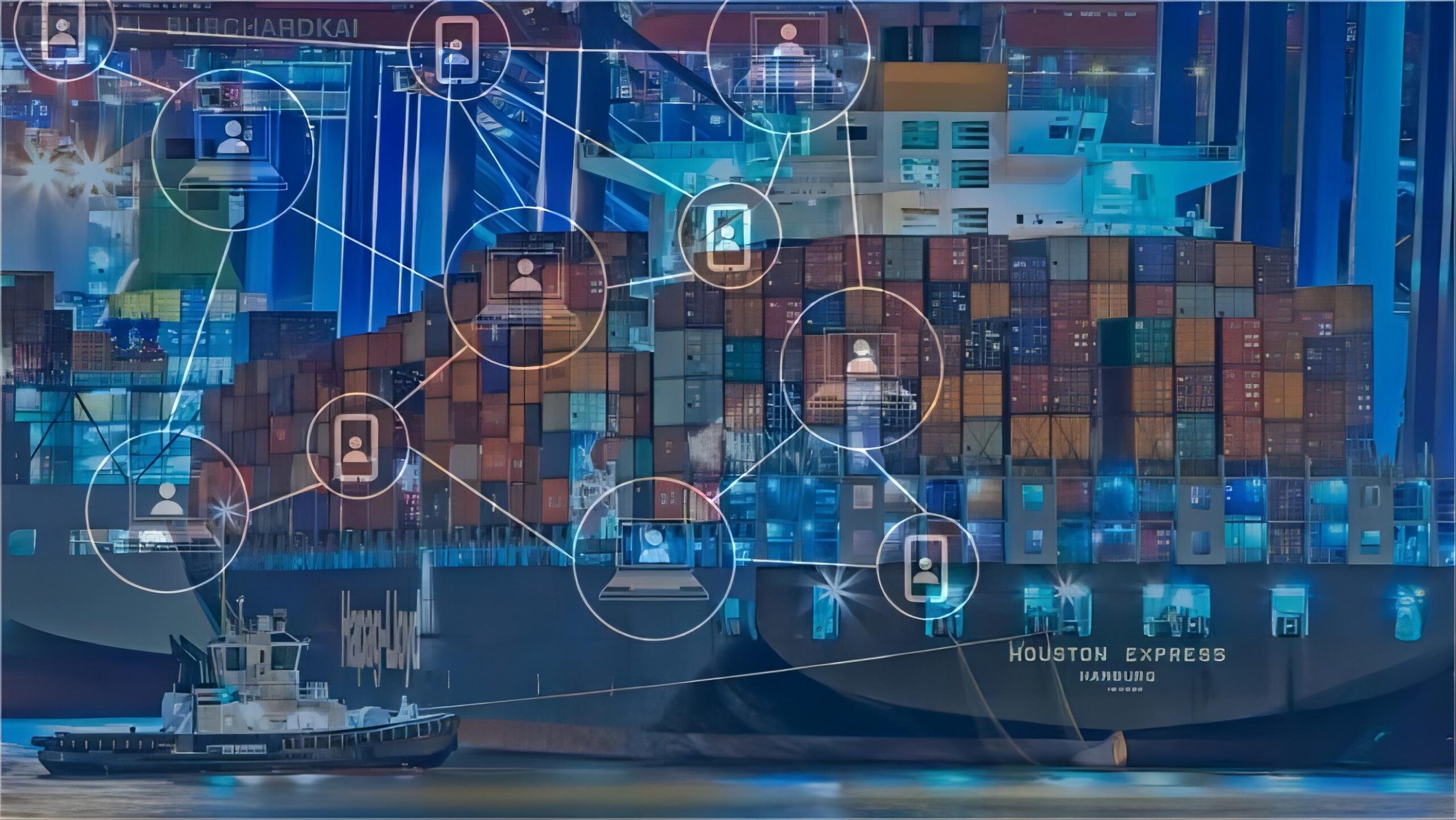
Furthermore, the integration of technology and local expertise ensures that even the most complex shipments arrive on time and in good condition. Whether you are moving containers or oversized breakbulk cargo, the right logistics strategy is the key to scaling your international operations. Ultimately, professional door-to-door delivery provides the peace of mind needed to thrive in the global marketplace.
Ready to streamline your logistics?
Streamline your international supply chain today with our expert bulk cargo shipping from china door delivery services. Contact Best Freight Ltd to receive a customized quote and experience hassle-free logistics from factory to warehouse. Visit our website to learn more and send your inquiry to our professional team.
Request Quote