
Shipping from China to Rwanda

Services

What we do

Services

img

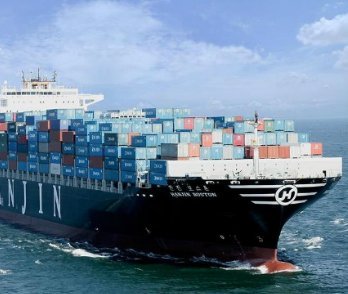
Sea Freight From China To Rwanda

Being landlocked, Rwanda depends on regional ports such as Mombasa, Dar es Salaam, and Beira for sea shipments. Best Freight Ltd arranges transport to these ports and organizes inland delivery to Kigali and other major cities. Offering flexible FCL and LCL options, we handle customs clearance, secure loading, and efficient transshipment, ensuring your cargo reaches its destination safely, on time, and cost-effectively.

img

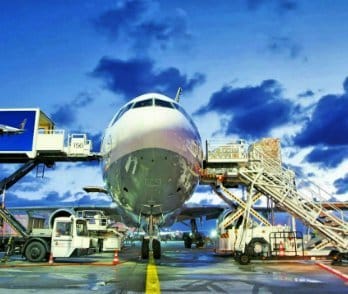
Air Freight From China To Rwanda

Best Freight Ltd provides expedited air freight from China to Rwanda, delivering directly to Kigali International Airport within 5–7 days. Ideal for urgent shipments such as electronics, medical supplies, or valuable items, our service handles customs clearance, duty processing, and real-time tracking, ensuring your cargo arrives quickly, securely, and reliably—even to remote locations across Rwanda.


img

Door to Door Shipping from China to Rwanda

Best Freight Ltd delivers comprehensive door-to-door shipping from China to Rwanda, picking up cargo from your factory or warehouse and transporting it directly to Kigali, Butare, or any other location. Our all-inclusive service covers customs clearance, tax handling, secure cargo management, and last-mile delivery. By managing every step of the logistics chain, we guarantee efficient, dependable, and hassle-free transport—even in regions with limited infrastructure.

FCL Shipping from China To Rwanda

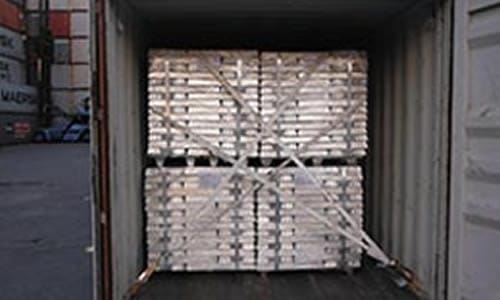
Best Freight Ltd offers specialized container shipping to Rwanda for large or heavy cargo, such as machinery, bulk goods, and construction materials. Utilizing regional ports like Mombasa and Dar es Salaam, we manage both sea transport and inland delivery to Kigali and other key destinations. Our comprehensive service includes customs clearance, secure loading, ocean transit, and last-mile distribution, ensuring your shipments arrive safely, efficiently, and on time.

LCL Shipping from China To Rwanda

Best Freight Ltd delivers expert project cargo services to Rwanda, designed for oversized or valuable shipments in industries such as construction, energy, and infrastructure. We manage every step of the logistics process—from specialized handling and secure loading to customs clearance and final delivery—ensuring your cargo reaches Kigali, Butare, and other critical locations safely, efficiently, and on schedule. Whether moving heavy machinery, construction equipment, or large infrastructure components, we provide reliable and timely project cargo transport.

Features

More Services Shipping from China To Rwanda

img

Pickup and Delivery

Best Freight Ltd delivers highly efficient pickup solutions across China, ensuring minimal fuel consumption and optimized logistics performance for every shipment.

img

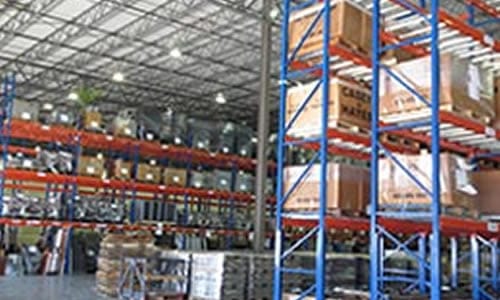
Warehousing

We offer complimentary warehousing solutions for all types of goods, ensuring secure and flexible storage at no additional cost.

img

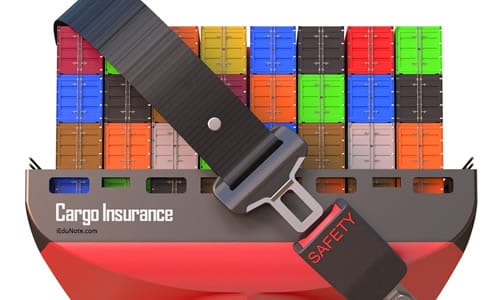
Cargo Insurance

Our cargo insurance ensures your shipment remains fully protected throughout its journey to any FBA warehouse.

img

Custom Clearance

We take care of all documentation and logistical details on your behalf.

img

Loading Inspection

We guarantee secure packaging and proper loading of your goods directly at your supplier’s facility.

Here We Are

GET ANYTYPE QUOTE FROM HERE.

Your Best Freight Forwarder from China to Rwanda

  • Commercial Invoice: Describes the goods, their value, and sale terms.
  • Packing List: Details the quantity, weight, and dimensions of the goods.
  • Bill of Lading (B/L): Serves as a receipt and contract between the shipper and carrier.
  • Certificate of Origin: Verifies the origin of the goods.
  • Customs Declaration/Form: Used to determine duties and taxes for customs clearance.
  • Import License: Required for specific goods by Rwandan authorities.
  • Insurance Certificate: Proof of coverage for the shipment.
  • Export License: Needed for certain items as per Chinese regulations.
  • Additional Documentation: Such as phytosanitary certificates or Material Safety Data Sheets (MSDS) for specialized goods like chemicals or perishable items.

Ensure all documents are correct by consulting your freight forwarder or customs broker. Proper documentation is critical to avoid delays, ensure compliance with Rwandan import laws, and guarantee timely delivery of your cargo.

What customers also want to know

Professional Shipping from China to Rwanda: The Ultimate FAQ Guide

Air freight costs are generally higher than sea freight and depend on the weight and volume of the cargo. Typically, air freight costs range from tens to several hundred dollars per kilogram. For precise pricing, it’s best to consult with a logistics company or freight forwarder, as fees can vary based on fuel surcharges and additional charges.

Sea freight from China to Rwanda usually takes 4 to 8 weeks, while air freight takes about 1 week. Sea freight is more cost-effective but slower, whereas air freight is faster but more expensive. The choice between these methods depends on the urgency and budget for the shipment.

Customs clearance time can vary but generally takes between a few days to a week. Factors affecting this include the type of goods, completeness of documentation, and any potential issues with import regulations. Delays can occur if there are discrepancies or additional inspections required.

Yes, Rwanda imposes import duties and taxes on goods entering the country. The rates depend on the type of product and its classification under the Harmonized System (HS) code. Importers should check with Rwandan customs or a customs broker for the exact duties applicable to their specific goods.

Rwanda is a landlocked country, so shipments typically enter through neighboring countries. Major transit ports include the Port of Dar es Salaam in Tanzania and the Port of Mombasa in Kenya. Goods are then transported by road or rail to Rwanda.

Yes, most logistics companies and freight forwarders offer tracking services for shipments. You can track your cargo using a tracking number provided by the shipping company. Tracking information is usually available online through the logistics provider’s website.

The most common shipping methods include sea freight, air freight, and rail transport. Sea freight is used for large and less time-sensitive shipments, while air freight is preferred for urgent and high-value goods. Rail transport is less common but can be used for certain types of cargo.

Required documents generally include a commercial invoice, packing list, bill of lading (for sea freight) or air waybill (for air freight), and a certificate of origin. Depending on the nature of the goods, additional documents such as health certificates or permits might be needed.

Risks include potential delays due to customs issues, weather conditions, or transportation disruptions. There is also a risk of damage or loss of goods. To mitigate these risks, it is advisable to choose reliable logistics providers, ensure proper insurance coverage, and track shipments regularly.

To reduce shipping costs, consider consolidating shipments to maximize container space, using sea freight instead of air freight for non-urgent items, and negotiating rates with logistics providers. Additionally, ensuring that all documentation is accurate and complete can help avoid delays and extra fees.

Don’t Take Our Words for it

Listen to What Our Clients Say about Our Freight Forwarding Service

Design Quality

Operations deal with the way the vehicles are operated, and the procedures set for this purpose, and policies. In the transport industry, operat ions and ownership of infrastructure can be either country.

Jon D. William
Founder of Mixbix

Code Quality

Operations deal with the way the vehicles are operated, and the procedures set for this purpose, and policies. In the transport industry, operat ions and ownership of infrastructure can be either country.

Sakira K. Lilliam
Ceo of Axone

Customer Support

Operations deal with the way the vehicles are operated, and the procedures set for this purpose, and policies. In the transport industry, operat ions and ownership of infrastructure can be either country.

Sofia Harvey
Chairman News grove